


✍️ Par l'équipe du Rey Hotel Hanoi — guides locaux au Rey Hotel Hanoi, 14 Ly Nam De, district de Hoan Kiem, Hanoï · 🗓️ Dernière mise à jour : novembre 2026 · ⏱️ ~12 min de lecture
There is a reason our front-desk team keeps a stack of Ninh Binh maps by the bell desk: it is the single day trip we recommend most often, and almost every guest who takes it comes back grinning. Roughly 100 kilometres south of Hanoi — about two hours by car — the limestone towers of Ninh Binh rise straight out of emerald rice paddies while rivers slide quietly between them. Locals call it “Ha Long Bay on land,” and once you have drifted beneath those green cliffs in a rowing boat, you will understand exactly why.
The best part? You barely need to plan. Tell our team the evening before and we will arrange a private driver for you at a fair local rate, pack a breakfast box if you are leaving before the kitchen opens, and hand you a route card with the day mapped out hour by hour — the same schedule we share below.
This guide covers the three big experiences (Tam Coc, Trang An and Mua Cave), the ancient capital of Hoa Lu, an honest hour-by-hour plan, and everything you need to go independently or on a tour. If you are still building your Hanoi list, start with our guide to the 15 best things to do in Hanoi, then come back here for the day you escape the city.
🏔️ Why Ninh Binh Belongs on Your Itinerary
Ninh Binh is what happens when a mountain range decides to grow through a rice bowl. Hundreds of limestone towers stand shoulder to shoulder across the province, their cliffs wrapped in vines and their feet planted in paddy fields that change with every season. Rivers thread between the towers and vanish into tunnels of green, which is why the classic way to see this landscape is from the water, at the height of a rowing boat, with a local rower gliding you along behind.
The region sits right at the edge of a UNESCO World Heritage area: the neighbouring Trang An Landscape Complex is inscribed on the list as a mixed site, recognised for both its natural karst scenery and its layers of human history — a status locals are justly proud of, and one you feel everywhere in the waterways around you. The whole province is what travel writers love to call “Ha Long Bay on land”: the same limestone drama, but with rice paddies, bicycles and village lanes instead of the sea. If Ha Long feels like a boat-cruise day, Ninh Binh feels like a countryside day — and after a week of Hanoi’s motorbikes, that difference matters more than you would think.
There is history here too, and it runs deep: this was the seat of Vietnam’s first royal capital in the 10th century, long before Hanoi took the role. Temples, ancient gateways and dynastic stones sit quietly in villages where life moves at buffalo speed. It is a rare place that satisfies photographers, history lovers, children and grandparents in the same afternoon — and it costs a fraction of what most headline attractions around the world charge.
🛶 The Three Big Experiences (and Hoa Lu)
Most first-time visitors fit three experiences into one day, plus the ancient capital. Here is what each one actually is, with prices we checked as of late 2026.
1. 🛶 Tam Coc — the classic boat ride
Tam Coc means “three caves,” and your sampan rows you through all three tunnel-caves, carved straight through the karst by the river itself. The trip takes about two hours, and the rowers are famous for a remarkable technique: they paddle with their feet, arms free for steering — and, if the mood strikes, for a song. You pass rice paddies and lotus fields, duck under low cave ceilings, and wave at the goats clinging to the cliffs. Tickets are 250,000 VND per person for the boat, which carries up to four guests.
2. 🛶 Trang An — the grander, longer circuit
Trang An, the UNESCO-listed complex next door, runs a similar boat system on a bigger canvas: a longer route with more cave tunnels, hidden temples and cinematic scenery. For 300,000 VND you get the fuller, more varied circuit — more caves, more temples, more water. Choose it if you want the complete landscape experience; choose Tam Coc if you want the classic paddies-and-caves postcard with fewer hours in the boat. We give our honest comparison in the tip box below.
3. 🐉 Mua Cave — the 500-step viewpoint
Mua Cave itself is a small cave at the foot of a mountain; what you are really paying for is the staircase up its ridge — roughly 500 stone steps guarded by a long white dragon curling along the spine. The payoff is the most photographed panorama in northern Vietnam: the river snaking below, boats like matchsticks, karst after karst to the horizon. Entry is 100,000–150,000 VND. Climb in the late afternoon and the low sun turns everything gold — bring a head for heights and shoes with grip.
4. 🏛️ Hoa Lu — the ancient capital
Before Hanoi, this was the centre of power: Hoa Lu served as the capital under the Dinh and Le dynasties in the 10th century. Two atmospheric temple compounds remain, set dramatically against cliffs, honouring the era’s founding emperors. Admission is a small fee collected at the gate, and an hour is enough to walk the courtyards and hear the story of a kingdom that began among these mountains. Pair it with your morning boat ride and the day slots together perfectly.
| Expérience | Entry (late 2026) | Time needed | Why choose it |
|---|---|---|---|
| Tam Coc boat | 250,000 VND/person | About 2 hours | Rowers paddle with their feet; three cave tunnels; rice-paddy scenery |
| Trang An boat | 300,000 VND/person | Longer circuit | UNESCO landscape; more caves and temples; grander scale |
| Mua Cave viewpoint | 100,000–150,000 VND | 60–90 minutes | 500 dragon-backed steps; the region’s signature sunset panorama |
| Hoa Lu ancient capital | Small admission fee | About 1 hour | 10th-century Dinh & Le dynasty temples among the karst |
🕐 The Perfect Day-Trip Schedule
Here is the exact schedule our team builds for guests — tested dozens of times, tuned to beat both the heat and the tour buses. Swap the boat and Mua Cave if your legs would rather climb before lunch.
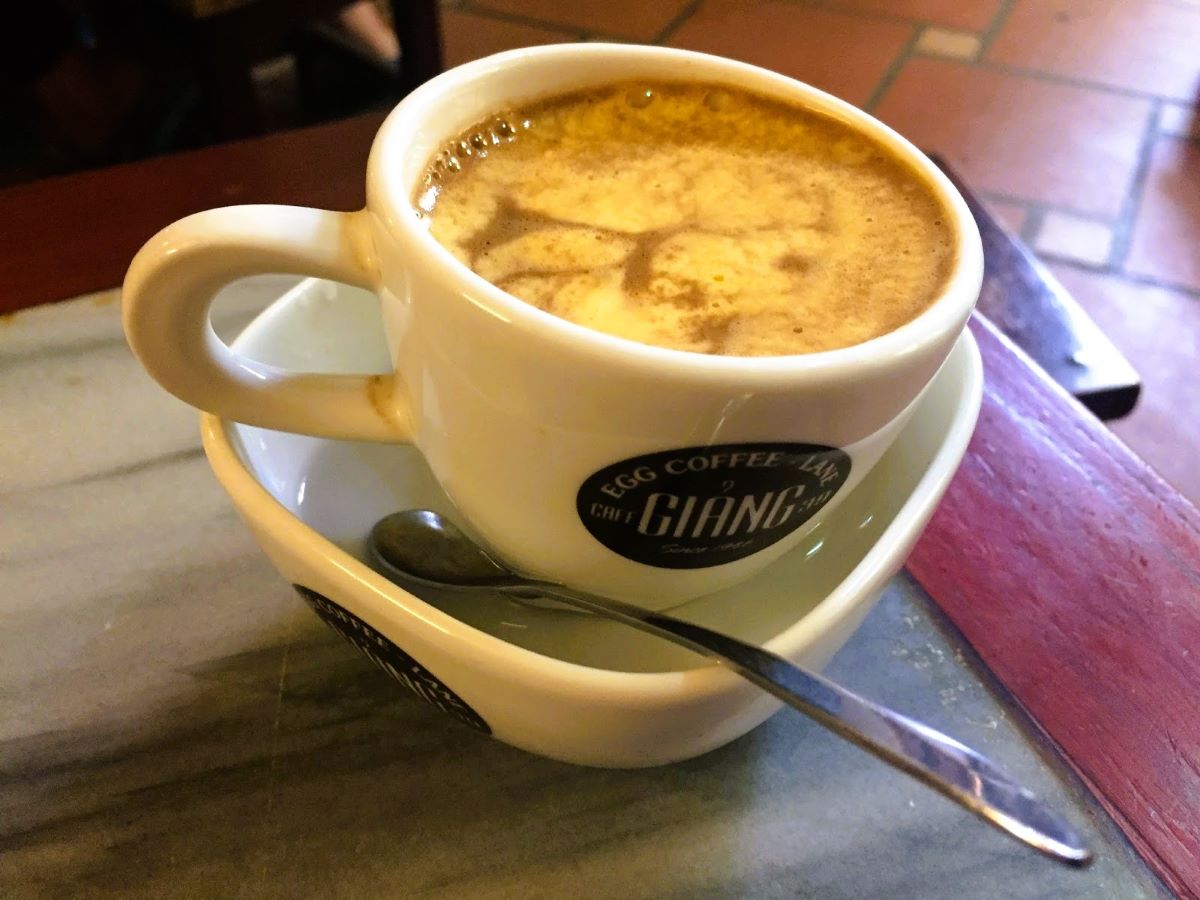
07:00 — Depart Hanoi. Your driver, arranged through us the night before, collects you from the lobby while the city is still yawning. This is the single most important decision of the day: an early start buys you cool air, empty roads and boat docks before the crowds arrive. Fuel up with an egg coffee on the way — our egg coffee guide points you to the original at Cafe Giang, a ten-minute walk from the hotel if you would rather grab one the night before from MOJO Cafe & Bistro in our lobby.
09:00 — Hoa Lu ancient capital. Arrive before the tour buses. Walk the two temple compounds while the courtyards are cool and quiet, read the stone steles, and let your driver’s commentary bring the 10th-century kings to life. By 10:00 you will be back in the car before the car park fills.
10:30 — Tam Coc or Trang An boat ride. By now the sun is high but the river stays cool, and mid-morning light turns the water an unreal shade of green. Buy tickets at the official counter, keep your shoes on, settle back for two hours of drifting, and keep your hands inside the caves — the ceilings get close.
12:30 — Lunch. Ask your driver for a local kitchen rather than a tour-bus restaurant. The regional specialty is goat meat — famous locally and served every way from grilled cuts to steaming hotpot — alongside rice and fresh greens. Simple places a few lanes back from the docks feed drivers and locals, which is always our compass.
14:30 — Mua Cave climb. The heat eases after two, which is exactly why we schedule the climb here rather than at noon. Start slowly, rest halfway, greet the dragon at the ridge and take in the panorama from both summits. Give yourself 60–90 minutes including photos.
17:00 — Return to Hanoi. You will glide back against the worst of the evening traffic and reach the hotel around 19:00, just as the Old Quarter lights come on.
19:30 — Dinner, guilt-free. You have earned a proper meal: bun cha two streets from the door, or a slow dinner at Finn Lounge downstairs without moving a single muscle. Either way, tonight’s sleep will be excellent.
🚗 How to Get There
Private car via the hotel (our top pick). Tell the front desk by dinner the evening before and we will book you a comfortable car with an experienced driver for the round trip. It is the easiest way to control your own schedule, costs a fraction of what you might expect, and means every stop happens on your clock, not a coach timetable. Ask us for the current rate any time through our contact page — even before you arrive.
Joining a group tour. The budget-friendly standard: about US$25–40 per person including transfers, a guide, the boat and usually lunch. Tours remove all decision-making, which is a genuine gift on a long day — but they also remove flexibility, because boats, lunch and Mua Cave all run on the group’s clock, and Old Quarter pick-up rounds can start as early as 07:30.
Independent by train or limousine van. Trains from Hanoi run south toward Ninh Binh province, and “limousine” minivans — fixed-price shared shuttles — run the route daily and drop you near the boat docks. It works, and it is the cheapest proper way to go, but you will spend real energy on timetables, docks and taxis between stops. For how the city’s transport options fit together, see our guide to taxis, Grab, buses and walking in Hanoi — and if you are still sorting out your arrival, our airport transfer guide starts the story earlier.
Two road notes from our drivers: the highway is smooth and the final stretch turns beautifully scenic as the karst appears on the horizon, and weekends are noticeably busier — Saturday and Sunday bring Hanoi day-trippers in waves, so boats queue longer and the Mua Cave steps get congested. If your dates allow, take the trip mid-week.
🎒 What to Bring & Know
Pack light but pack smart. Sunscreen and a hat are non-negotiable — the boat offers little shade for much of the route — and a bottle of water saves you dockside prices. Wear shoes that grip for the Mua Cave steps; flip-flops are the single most common regret we hear at the front desk. Bring small notes for tips: the rowers, who power the whole route with their legs, genuinely appreciate a modest tip at the end, and something around 50,000 VND per boat is a warm, proportionate gesture. If your phone is precious, a simple dry bag earns its keep — splashes happen on the river.
Check the weather the night before. Light rain can be a gift, honestly — mist clinging to the karst is arguably the most beautiful version of Ninh Binh — but it makes the Mua steps slick, so climb slowly or trade the stairs for extra boat time. Our guide du meilleur moment pour visiter Hanoi maps the seasonal patterns in detail; the short version is that October–November and March–April are the sweet spots, summer is hot with heavier showers, and winter is cool and often deliciously misty.

💡 Local tip: start early and you win twice — you beat the midday heat and the tour-bus waves that hit the boat docks around 10:30. And an honest comparison for the big choice: Tam Coc gives you the classic rice-paddy postcard and the famous foot-paddling rowers; Trang An gives you a longer, grander, more varied circuit with more caves and temples inside the UNESCO landscape. Neither is wrong. Pick Tam Coc for scenery-per-hour, Trang An for the full experience — and you will not regret either.
⚠️ Good to know: at the boat docks, unofficial helpers may offer extras — a rower singing, photos in traditional dress, a “special” route — and the fees for those extras are best agreed clearly and politely before boarding. At Mua Cave, the roughly 500 steps are steep and worn in places; they turn slippery after rain, so use the handrail, take the climb slowly and skip the top if the stone is wet.
🌊 Other Day Trips if You Have More Days
If Ninh Binh wins your heart — it usually does — Hanoi makes a fine base for more escapes. Ha Long Bay is the other heavyweight: day cruises run about US$65–120 per person including shuttle transfers, and it is worth the earlier alarm for the sea-and-limestone version of this same landscape. The Perfume Pagoda pairs a roughly two-hour drive with a sampan ride up a river valley to a temple complex tucked inside a mountain; the cable car costs 120,000 VND one-way or 180,000 VND return for adults. Our existing overview of day trips from Hanoi — Perfume Pagoda, Tam Coc and more compares all of them side by side.

Back in the city, finish the evening the way Hanoians do: a slow loop around Hoan Kiem Lake while the karst fades from your camera roll. Our guide du lac Hoan Kiem walks the route. And when you are ready to plan trip number two, the complete guide to Rey Hotel Hanoi covers everything our team can arrange — from drivers and maps to the breakfast box that starts it all.
❓ Frequently Asked Questions
How far is Ninh Binh from Hanoi?
About 100 kilometres and roughly two hours by road, depending on traffic. A private car is the fastest door-to-door option; group tours take a similar time but add pick-up rounds around the Old Quarter first. Weekends add congestion leaving the city, so start early whatever option you choose.
Can you do a Ninh Binh day trip without a tour?
Yes, and many of our guests prefer it. Arrange a private driver — we can book one the evening before through the front desk — or go independently by train or limousine van. You buy boat tickets at official counters and take a taxi or xe om between sights, keeping the whole day on your own clock. It takes slightly more planning than a tour but rewards you with complete flexibility.
Tam Coc or Trang An — which boat ride should I choose?
Tam Coc (250,000 VND) is the classic: about two hours, three cave tunnels, and rice paddies right at water level, with the famous foot-paddling rowers. Trang An (300,000 VND) is longer and grander — a UNESCO-listed circuit with more caves, temples and hidden lagoons. Short on time or chasing the postcard? Tam Coc. Want the fuller landscape and do not mind extra hours? Trang An. Both are wonderful; neither will disappoint.
Is the Mua Cave climb difficult?
It is roughly 500 stone steps up a ridge — steep in places but manageable for anyone with average fitness if you go slowly. Allow 60–90 minutes for the round climb and photos, wear grippy shoes, carry water, and take extra care after rain, when the stone turns slippery. The panorama from the dragon’s back is worth every single step.
What is the best season for a Ninh Binh day trip?
October–November and March–April offer the most comfortable temperatures and the clearest views, matching Hanoi’s best weather windows. Summer (May–October) is hot and humid with heavier showers — misty rain can look spectacular but makes the Mua steps slick. Winter is cool and often misty, which photographers adore. Whatever the season, start early to beat the heat and the crowds.


 English
 Korean
 Chinese (China)
 Japanese
 Vietnamese
 French
 German
 Spanish
 Italian
 Russian
 Chinese (Taiwan)
 Chinese (Hong Kong)
 Thai
 Arabic