

✍️ A cura del Team del Rey Hotel Hanoi — guide locali del Rey Hotel Hanoi, 14 Ly Nam De, Distretto di Hoan Kiem, Hanoi · 🗓️ Ultimo aggiornamento: novembre 2026 · ⏱️ ~12 min di lettura
Chiedi a chiunque nel nostro team cosa rende Hanoi speciale e raramente sentirai prima un elenco di monumenti. Sentirai parlare della donna che vende brodo alle 5:40 del mattino, del modo in cui l'intera città passeggia intorno al lago Hoan Kiem dopo cena, e di quel momento in cui un treno ti sfiora passando abbastanza vicino da poterlo toccare su una strada famosa proprio per questo. Hanoi non è una città da spuntare su una lista — è una città in cui ambientarsi. E il nostro compito, dalla nostra reception in Hotel Rey Hanoi via Ly Nam De, è aiutarvi ad ambientarvi rapidamente.
Abbiamo scritto questa guida nello stesso modo in cui rispondiamo alle domande al banco della concierge: con prezzi reali (verificati a fine 2026), consigli onesti sui tempi e quei piccoli dettagli che solo chi vive qui conosce. Ogni suggerimento qui sotto è raggiungibile a piedi dalla nostra porta o nell'ambito di una gita di un giorno, perché è così che esploriamo la città noi stessi.
Un consiglio prima dell'elenco: Hanoi premia il ritmo. Le mattine appartengono al lago, ai mercati e ai parchi prima che il caldo e le moto si intensifichino; i pomeriggi sono per musei, templi e caffè; e la città si accende davvero solo dopo il tramonto. Pianificate seguendo questo ritmo e tutto ciò che segue diventa più facile. Non sapete quando venire? La nostra guida meteo mese per mese ha la risposta per voi.
🏮 Le 15 cose migliori da fare ad Hanoi
1. Girare intorno al lago Hoan Kiem all'alba
Tra le 5:30 e le 7:00 del mattino, il circuito di tre chilometri intorno al lago Hoan Kiem appartiene ad Hanoi stessa: club di tai chi sotto i baniani, coppie che giocano a badminton alla luce dei lampioni e venditori che vendono riso glutinoso ai jogger. È gratuito, è pianeggiante ed è la migliore introduzione alla città. Attraversate il Ponte Huc dipinto di rosso per raggiungere il Tempio Ngoc Son (circa 50.000 VND, bambini sotto i 15 anni gratis) e cercate il peluche gigante di tartaruga nella teca di vetro — un omaggio alla leggenda del XV secolo del lago sulla spada restituita alla Tartaruga d'Oro. La nostra guida completa guida al Lago Hoan Kiem mappa l'intero circuito, e dal Rey Hotel l'acqua è a 7 minuti a piedi.
2. Perdersi nelle 36 strade del Quartiere Antico
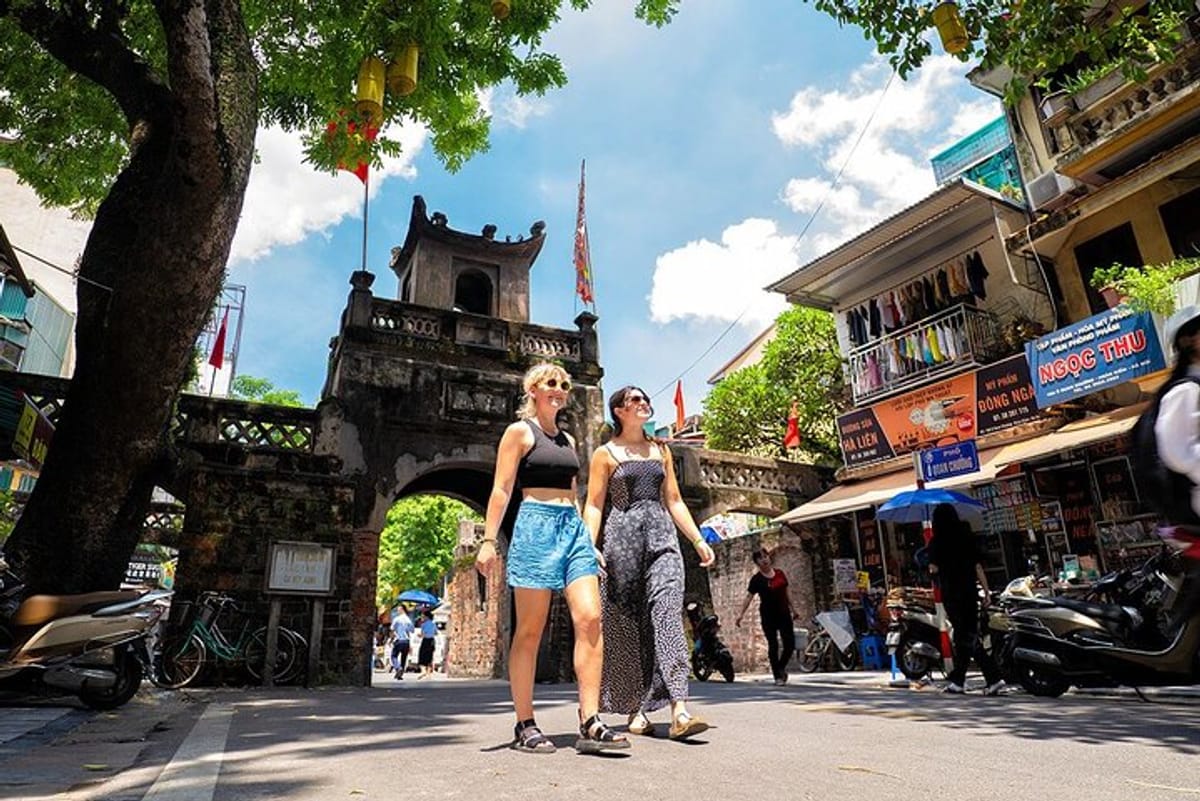
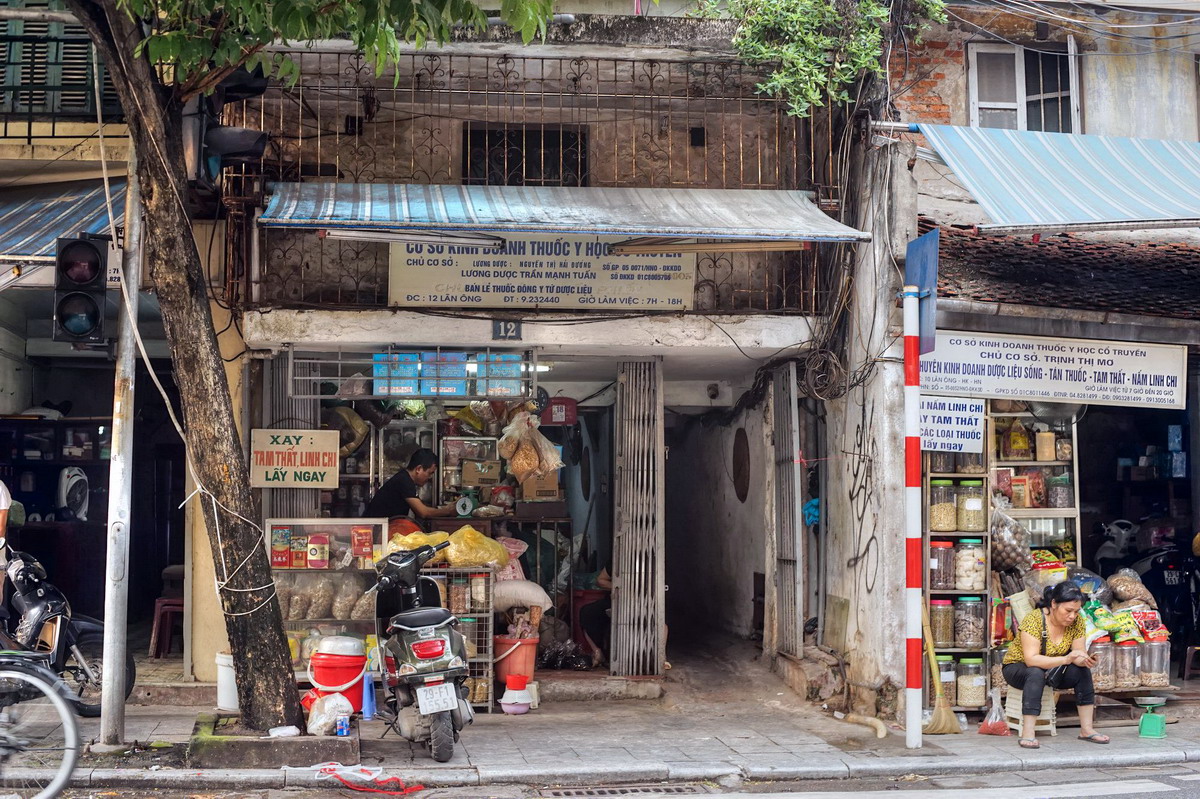
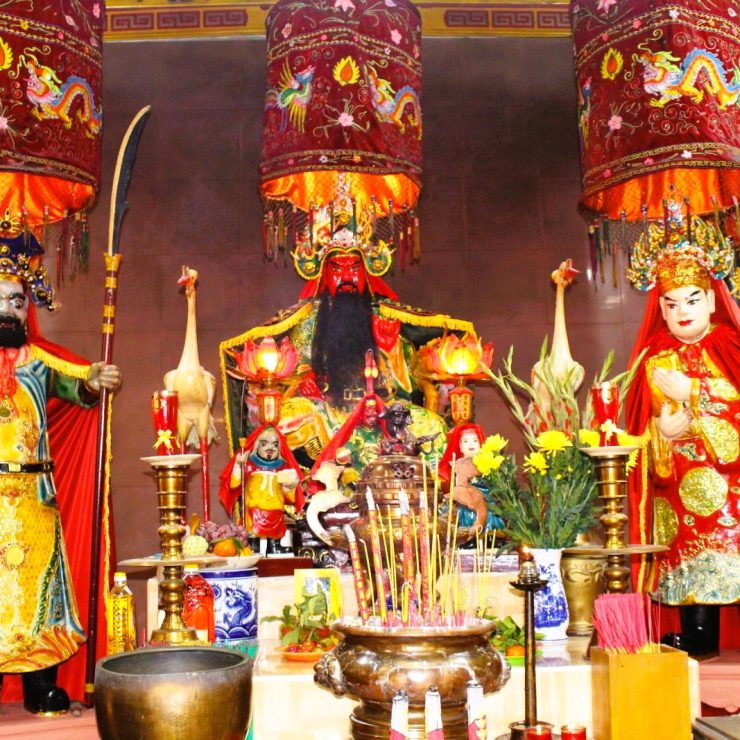
Il Quartiere Antico è libero da esplorare — nessun biglietto, nessun cancello — ed è organizzato come lo è stato per secoli, per corporazioni: Hang Ma vende decorazioni festive, Hang Bac gioielli, Lan Ong medicine erboristiche, Hang Dao seta e scarpe. Iniziate dalla Porta della Città Vecchia (Quan Chuong), una delle ultime porte sopravvissute della cinta muraria della cittadella, poi lasciate che una strada vi conduca alla successiva. Nei vicoli settentrionali, a cinque minuti dalla nostra porta, troverete il Tempio Quan De e l'antico pozzo di Hang Dao che la maggior parte dei turisti supera senza accorgersene — la nostra guida ai tesori nascosti a 5 minuti dal Rey Hotel li elenca tutti.
3. Mangiare attraverso il canone dello street food
Pho a colazione, bun cha a pranzo, banh mi ogni volta che il carretto sembra affollato: lo street food di Hanoi è il miglior motivo per venire, e la maggior parte dei piatti costa tra 25.000 e 70.000 VND. I classici da cercare: pho bo con noodles di riso tagliati a mano, bun cha (maiale grigliato con noodles — il piatto reso famoso da Anthony Bourdain e il Presidente Obama), banh cuon, cha ca pesce alla curcuma e banh mi farcito con pâté e sottaceti. Seguite gli sgabelli di plastica: una bancarella affollata con un alto turnover è quasi sempre una bancarella sicura. La nostra guida allo street food copre 12 piatti da provare assolutamente e dove trovarli, e per la tranquillità igienica leggete la nostra consigli per il cibo di strada sicuro prima di tuffarvi.

4. Bere il caffè all'uovo dove è stato inventato
Nel 1946, un barista del Metropole di nome Nguyen Van Giang montò tuorlo d'uovo con latte condensato e caffè robusta perché il latte fresco scarseggiava — e inventò accidentalmente la bevanda simbolo di Hanoi. La sua famiglia lo serve ancora al Cafe Giang al 39 Nguyen Huu Huan, dieci minuti dalla nostra porta, per circa 35.000–40.000 VND a tazza: dolce come crema pasticcera in superficie, amaro sotto, servito in una ciotola di acqua calda per mantenerlo caldo. Ordinalo caldo la prima volta, poi provate le versioni al cacao o matcha. La nostra guida al caffè all'uovo spiega la storia ed elenca i migliori caffè, incluso il MOJO Cafe & Bistro proprio nella nostra lobby.
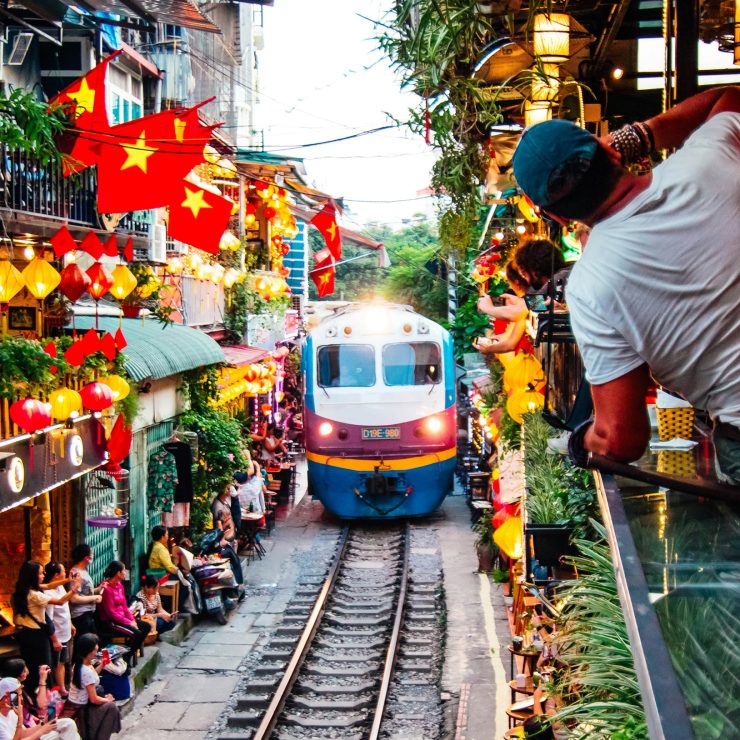
5. Guardare il treno infilarsi lungo Train Street
Il famoso corridoio ferroviario di Kham Thien — dove un treno in servizio passa a un metro dalle porte dei soggiorni — è la mezz'ora più fotografata di Hanoi. Le regole si sono strette negli ultimi anni: si può sedere solo all'interno dei caffè lungo i binari, mai in piedi sulle rotaie. I treni di solito passano nel pomeriggio (intorno alle 15:00–16:30) e nella fasce serali tra le 19:00 e le 22:00, ma l'orario cambia ogni giorno, quindi confermate con il vostro caffè e arrivate 30–45 minuti prima per un tavolo in prima fila. La nostra guida a Train Street contiene le regole 2026, gli ingressi e l'etichetta.

6. Rendere omaggio al complesso del Mausoleo di Ho Chi Minh
Ba Dinh è dove si mette in scena il Vietnam moderno, ed è gratuito. Il Mausoleo di Ho Chi Minh apre solo al mattino (7:30–10:30 da aprile a ottobre, 7:30–11:00 da novembre a marzo) e chiude ogni lunedì e venerdì; chiude anche per la manutenzione annuale circa dall'inizio di settembre all'inizio di novembre — riapre il 3 novembre 2026. Vestitevi con spalle e ginocchia coperte e lasciate le borse. Successivamente passeggiate nel terreno del Palazzo Presidenziale, nella modesta Casa su Pali dello Zio Ho e nella Pagoda a Pilastro Unico a forma di loto. La Cittadella Imperiale di Thang Long, sito UNESCO, si trova direttamente dietro (circa 70.000 VND). I dettagli su orari ed etichetta sono nella nostra guida al complesso di Ba Dinh.
7. Stand in the courtyards of the Temple of Literature
Founded in 1070, Vietnam’s first university is a sequence of five walled courtyards — lotus ponds, stone turtle steles bearing the names of doctorate graduates going back to the 15th century, and the multi-tiered Khue Van Cac pavilion that appears on the 100,000 VND note. Entry is 70.000 VND (circa 35,000 for students, under-15s free), open roughly 8:00–17:00. Go on a weekday morning when local students in traditional ao dai come for graduation photos. If your dates line up, the evening 3D-mapping show (“Temple of Literature by Night”, 199,000 VND, 18:30–22:00) is a beautiful after-dark alternative.
8. Climb the Flag Tower at the Imperial Citadel
Technically part of the same Ba Dinh morning as number six, but the citadel deserves its own hour: 1,000 years of royal Vietnam layered in one site, from the 11th-century dynasties to the 20th-century command bunkers with maps still on the walls. Climb the red Flag Tower for the best free-ish view in the city (the citadel ticket is about 70.000 VND), and don’t skip the archaeology basement where excavated foundations sit under glass walkways. The site is remarkably quiet compared with the Old Quarter — you will hear birdsong — and the lighting is beautiful in the late afternoon. Combine it with the Mausoleum next door and you have Hanoi’s whole political history in one morning’s walk.
9. Walk the corridors of Hoa Lo Prison
The French built Hoa Lo in 1896 to hold Vietnamese independence fighters; two generations later it held American POWs who sarcastically nicknamed it the “Hanoi Hilton”. The museum tells both stories — the guillotine room is sobering, the escape-tunnel exhibit gripping. Entry is 50.000 VND, with a well-produced audio guide for a little extra, and it is a 15-minute taxi or a 30-minute walk from the Old Quarter. Go early or late: the corridors get crowded midday. This is the one Hanoi museum that lingers with most of our guests long after the trip.
10. Watch a water puppet show at twilight
Water puppetry began in the flooded rice paddies of the Red River Delta a thousand years ago, and the Teatro dei Burattini sull'Acqua Thang Long on Dinh Tien Hoang keeps the tradition alive with a live orchestra of bamboo flutes, drums and the glorious single-string dan bau. Yes, it is touristy; yes, it is still wonderful — the puppeteers stand waist-deep behind a bamboo screen the whole show. Tickets run 100,000–200,000 VND depending on seats, shows last about 50 minutes and run daily, several per evening. Book ahead in high season; the theatre sits right on the lake, so pair it with dinner nearby.
11. Shop the Weekend Night Market on Hang Dao
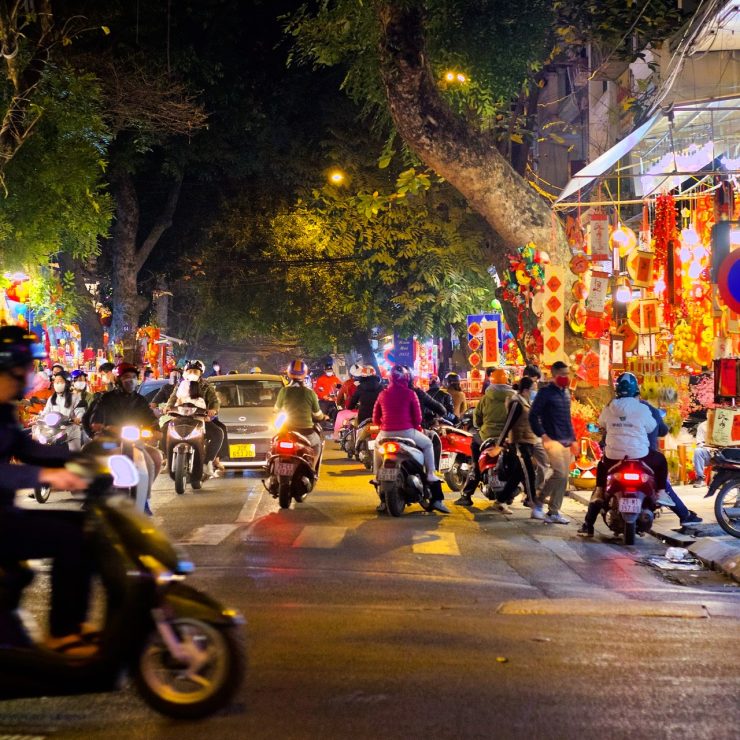
Ogni Friday, Saturday and Sunday from about 18:00 to midnight, the city closes Hang Dao, Hang Ngang and Hang Duong to traffic and strings them with lights from the lake all the way to Dong Xuan Market — a kilometre of snacks, souvenirs, balloon toys and locals doing their evening promenade. Prices are negotiable; go at 18:30 when it opens, not 20:30 when it is shoulder-to-shoulder. The market literally ends at the doorstep of our neighbourhood — five minutes from the hotel — which makes an easy after-dinner loop. Our night-time guide covers the market plus the rest of Hanoi after dark.
12. Toast the evening with bia hoi on Ta Hien
“Bia hoi” is fresh, unpasteurised draught beer brewed daily and sold from steel taps on the pavement for 10.000–15.000 VND a glass — about forty cents — at roughly 3% strength. The epicentre is Ta Hien street near the lake, where low stools spill across the road every evening and strangers clink glasses over plates of fried fermented pork and roasted peanuts. It is less a bar scene than a street party that happens every night. Bring small notes, pace yourself, and remember the last glasses go down best when the ice has melted — locals say bia hoi is made to be drunk quickly.
13. Haggle your way through Dong Xuan Market
Set up in 1889, Dong Xuan is Hanoi’s largest covered market: three floors of fabric, shoes, tea, dried goods and kitchenware beneath a Soviet-style concrete roof. It is open daily from about 6:00 to 18:00 — and it is the northern anchor of the weekend night market. Bargaining is expected and cheerful; start at about 60% and settle in the middle with a smile. Even if you buy nothing, the food court in the basement alley serves excellent bun oc (snail noodles) and banh cuon. From Rey Hotel it is a flat five-minute walk — our guests pop in between breakfast and the lake. Go early on a weekday if you want to see the market doing its real work: wholesale traders loading silk and dried squid before the tourists wake up, which is the most photogenic hour the building has.
14. Take a day trip to Ninh Binh’s karst rivers
Two hours south of Hanoi, the limestone towers of Ninh Binh rise straight out of rice paddies — it is called “Ha Long Bay on land” for good reason. Row a sampan through cave tunnels at Tam Coc (250,000 VND) or the grander Trang An (300,000 VND), climb the 500 steps of Mua Cave (100,000–150,000 VND) for the classic panorama, and visit the 10th-century capital at Hoa Lu. Organised day tours run from about US$25–40 including transfers; going independent by train or limousine van is easy too. Our Ninh Binh day-trip guide compares all the options, and the hotel can arrange a driver the night before.

15. Do one Hanoi evening properly slowly
Our most repeated piece of advice: schedule one evening for nothing. Start with coffee at MOJO Cafe & Bistro in our lobby, walk seven minutes to the lake to watch the lights come on around Turtle Tower, eat pho or bun cha at a stall you like the look of, then finish with a nightcap — a cocktail at MOJO or a quiet beer in our garden courtyard. Hanoi’s magic is cumulative, not scheduled, and the travellers who love this city most are the ones who give it one unhurried night. If you are choosing where to base yourself for exactly that, our guida completa al Rey Hotel Hanoi starts with the rooms and ends with the rooftop views.

💰 Hanoi Entrance Fees at a Glance (2026)
| Attraction | Adult ticket | Notes |
|---|---|---|
| Hoan Kiem Lake loop | Free | Ngoc Son Temple about 50,000 VND |
| Old Quarter streets | Free | No ticket needed |
| Tempio della Letteratura | 70.000 VND | ~35,000 students; night show 199,000 VND |
| Cittadella Imperiale di Thang Long | ~70,000 VND | UNESCO site behind the Mausoleum |
| Hoa Lo Prison | 50.000 VND | Audio guide extra |
| Mausoleo di Ho Chi Minh | Free | Mornings only; closed Mon & Fri |
| Thang Long Water Puppets | 100,000–200,000 VND | About 50 minutes, daily shows |
| Tam Coc boat (Ninh Binh) | 250,000 VND | Day trip about 2 hours each way |
💡 Consiglio locale: change money at an authorised exchange counter or withdraw from a bank ATM (Vietcombank, BIDV) — 500,000 VND notes look new and shiny but no street vendor can give change for one. Ask our front desk to break large notes any time.
⚠️ Safety note: crossing Hanoi traffic is a walking meditation — move slowly, steadily and predictably and the motorbikes flow around you. Never sprint. At Train Street, stay in the cafés: standing on the tracks is prohibited and genuinely dangerous.
❓ Domande frequenti
Quanti giorni ti servono ad Hanoi?
Tre giorni sono il periodo ideale: un giorno per il Quartiere Antico e il Lago Hoan Kiem a piedi, un giorno per il complesso di Ba Dinh e i musei, e un giorno flessibile per Train Street, caffè e shopping — oppure una gita di un giorno a Ninh Binh. I viaggiatori con cinque giorni di solito aggiungono Ninh Binh più un altro giorno rilassato al mercato del fine settimana, che è esattamente il ritmo con cui vivono i locali.
Is Hanoi’s Old Quarter walkable from Rey Hotel?
Completely. Rey Hotel Hanoi sits at 14 Ly Nam De, on the northern edge of the Old Quarter itself: Dong Xuan Market is about a 5-minute walk, Hoan Kiem Lake 7 minutes, St. Joseph’s Cathedral 10 minutes, and the Old City Gate even closer. Nearly everything in this guide needs no transport at all, and our guida di Hanoi a piedi lists the routes.
Qual è il mese migliore per visitare Hanoi?
October and November are the classic picks — cool, dry, golden light — with March and April a close second before the summer heat. December to February is atmospheric but chilly, and June to September is hot with heavy afternoon showers. Our month-by-month guide breaks down temperatures, festivals and prices for every month.
La Train Street è aperta ai turisti nel 2026?
Yes, but only from the cafés along the tracks — standing or walking on the rails is prohibited, and police periodically enforce it. Buy a drink, take a seat, and watch the scheduled passings (typically mid-afternoon and evening). Rules and timings change, so read our current Train Street guide before you go.
Quanti soldi mi servono al giorno ad Hanoi?
Budget travellers eat phenomenally on 500,000–700,000 VND (about US$20–28) a day excluding accommodation; mid-range travellers usually spend around 1,000,000–1,500,000 VND (US$40–60) with tours, taxis and dinners. Entrance fees in this guide total under US$30 even if you do everything — Hanoi remains one of the best-value capitals in Asia.

 English
 Korean
 Chinese (China)
 Japanese
 Vietnamese
 French
 German
 Spanish
 Italian
 Russian
 Chinese (Taiwan)
 Chinese (Hong Kong)
 Thai
 Arabic