
✍️ By the Rey Hotel Hanoi Team — local guides at Rey Hotel Hanoi, 14 Ly Nam De, Hoan Kiem District, Hanoi · 🗓️ Last updated: November 2026 · ⏱️ ~12 min read
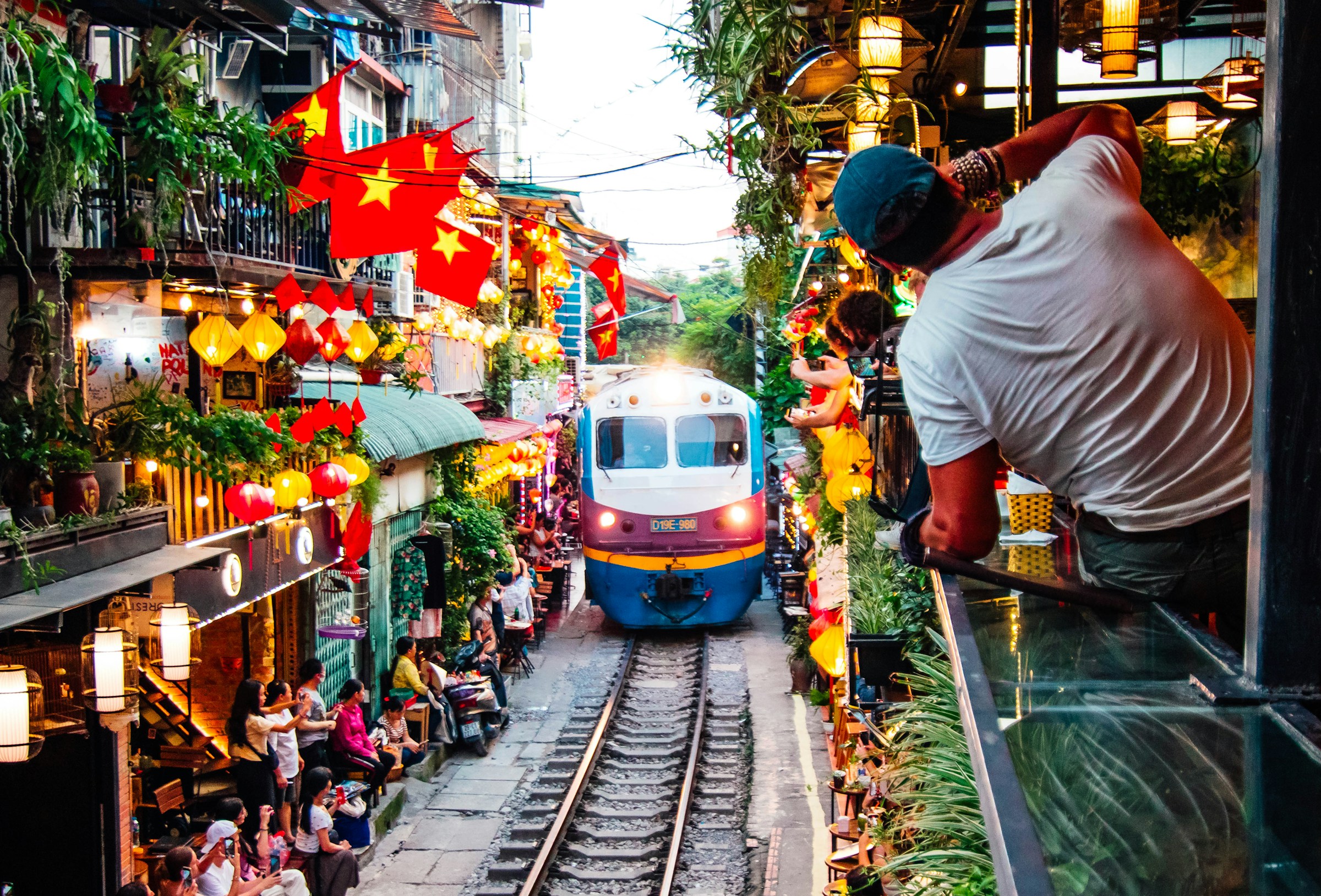
There is a stretch of track in Hanoi where, twice a day or so, the whole street holds its breath. Stools scrape back, phones rise above the rails, a horn sounds somewhere down the line — and then a train glides through a gap barely wider than the train itself, close enough that you could hand the driver a coffee. This is Train Street: the most photographed 30 minutes in Hanoi, and a genuinely working railway, not a film set. Locals call it simply “the train street”: no gate, no ticket, no queue — just a neighbourhood lane that happens to have trains in it.
From our front desk at レイ ホテル ハノイ, the famous section is a pleasant 15-minute walk through the Old Quarter, and our team talks guests through the etiquette every single day. This guide covers what Train Street actually is, when the trains pass in 2026, how the café system works, the rules you must follow, and how to photograph the moment without embarrassing yourself or the neighbours. All prices were checked as of late 2026, and every timing tip comes from guests and staff who have sat on the front row.
One promise before we start: follow the rules and this becomes one of the great travel memories. Ignore them and you will earn a police whistle and a frown from the grandmother whose front door opens straight onto the rails. It really is that simple.
🚂 What Is Train Street?
Train Street is the nickname for a working rail corridor that cuts straight through the Old Quarter — the section between Le Duan and Phung Hung, with the famous café stretch running along Tran Phu street. This is not a heritage line and not a tourist train: real services use these tracks every day, and the homes, workshops and cafés flanking them sit within arm’s reach of the rails. Laundry racks, potted plants and steaming noodle pots all crowd the edge of the sleepers, and Vietnamese flags flutter over the lane between passings.
For decades this was simply a place where people lived. Then the internet found it: a single clip of a train threading the gap can gather millions of views, and today the stretch is lined with slim cafés stacked two and three floors up, every balcony angled for the front-row view. The wonder of it is that the neighbourhood survived its own fame — grandmothers still sweep their doorsteps between passings, motorbikes still detour around the tracks, and the train still rules the timetable.
And that timetable is the whole personality of the place. Between passings, Train Street is one of the quietest corners of the Old Quarter: someone waters their plants over the rail, a cat claims the sunniest sleeper, café staff hose down the lane. Then the boards get updated, the balcony seats fill, and the street turns into open-air theatre for half an hour. Timing, not geography, is what makes or breaks a visit — which is why the next section is the one to read twice.
Our guide to the best things to do in Hanoi ranks Train Street among the city’s essential experiences, with the emphasis on “experienced properly”. Done right it is part spectacle and part masterclass in how Hanoi shares narrow space with itself — which is, arguably, the whole city in one image.
🕐 Train Times in 2026
Here is the truth nobody tells you on social media: there is no public timetable. Trains pass through the famous stretch roughly twice a day — mid-afternoon slots around 15:00–16:30 そして evening slots between 19:00 and 22:00 — but the exact times change daily with the national schedule, delays and the season. The café staff always know the day’s passings: ask when you order, check the handwritten boards at the door, or message ahead.
Plan to arrive 30–45 minutes early. Front-row stools are first come, first served, and they fill fast in high season. And know this: the pass itself is short — a few thundering minutes and it is gone — so be seated well before the warning horn sounds. Once staff start pulling in stools and clearing the rails, follow their lead immediately; there will be time for photos afterwards.
In practice, arriving 30–45 minutes early looks like this: you leave the hotel with a plan, find your café, order, and settle in. If a passing slips — it happens, and the schedule changes daily — you are sitting in a café overlooking one of the most atmospheric lanes in Asia rather than standing in a hot crowd. That reframe turns waiting time into holiday time.
How do you find today’s times? Ask us at the front desk — we keep a note of what the trackside cafés report each morning — or simply ask at the door of any café along the stretch. The staff live by that schedule, and they would rather answer the question twice than pull you out of the way once.
| Time slot | Typical window | Our tip |
|---|---|---|
| Mid-afternoon passings | roughly 15:00–16:30 | Best daylight for first-timers; the street is usually calmer |
| Evening passings | roughly 19:00–22:00 | Lantern-lit and atmospheric, but the busiest hours — come early |
| The pass itself | a few minutes per train | Be seated before the warning horn; let staff guide you back |
💡 Local tip: message your chosen café by phone or Facebook the day before — many will hold a front-row table if you ask nicely. Weekday passings are calmer than weekends, and because times shift daily, reconfirm on the morning itself.
☕ The Café Experience
The system is beautifully simple: you buy a drink, you take a seat, and the café’s staff keep everyone safe. Coffee costs more here than at street stalls — expect roughly 50,000–100,000 VND for a coffee (checked as of late 2026) — and that premium buys your stool, the view, and the timing skills of people who have watched hundreds of trains come through.
Which seat is best? The front-row stools at street level give you the “train in your face” moment; the upper balconies give you the overhead shot of carriages sliding between the rooftops. When a train approaches, staff move with calm choreography: stools in, low tables cleared, everyone eased back from the rails with a smile and a firm wave. Stay behind the line they set, keep your voice down for the thirty seconds of the pass, and let them work.
Expect to spend an hour or so in total. Most guests settle in 45 minutes early, nurse a drink, watch the neighbourhood do its thing, and then get the moment they came for. Honestly, that hour is half the fun — it is the only tourist experience in Hanoi where the waiting is part of the show.
What else to order? The trackside menus are café-simple: coffee, tea, juices and cold drinks, with a few snacks. Nobody comes for the food; you are paying for the rail-side seat, and the staff earn it — they clear the lane for every pass, keep an eye on every chair and remember where every customer is sitting. If you take up a balcony seat through two passings, ordering a second drink is the graceful thing to do.
If you want to double up on Hanoi icons, order a cà phê trứng while you wait — our egg coffee guide explains the 1946 original and where to find the best cups in the city.
Make an evening of it: an evening passing pairs perfectly with the Weekend Night Market on Hang Dao (Friday to Sunday from about 18:00) or a slow wander toward the lake — our guide to Hanoi at night covers the whole after-dark route.

📏 The Rules (Read Before You Go)
Train Street is open — but only from the café seats. Standing or walking on the tracks is prohibited, and police periodically enforce the rules; access has tightened over the years, so treat the cafés as the only viewing platform. The rules exist because the trains are real: they cannot swerve, they cannot stop quickly, and the distance between “amazing photo” and “terrible afternoon” is about one metre.
In practice the etiquette is short: buy your drink, stay behind your café’s line, keep bags, tripod legs and selfie sticks off the rails, and never touch the train — not for a photo, not for a video, not for any reason. Staff will tell you exactly when to sit back. Listen the first time; they have done this hundreds of times and they are not guessing.
⚠️ Safety note: the passings look slow but arrive faster than they appear — a moving train cannot stop in time, and the rails sit within arm’s reach of every seat. Stay inside the café, keep children on laps during the pass, and keep every strap, bag and limb clear of the tracks.
📍 How to Get There
There are two main entrances to the café stretch — one on Tran Phu and one on Phung Hung — and both drop you into the same row of trackside cafés within a minute’s walk. No ticket is needed to reach the street; like the rest of the Old Quarter, it is free to walk. Signage is minimal, so let your map do the talking: aim for the stretch where the cafés cluster, and you will hear the lane before you see it.
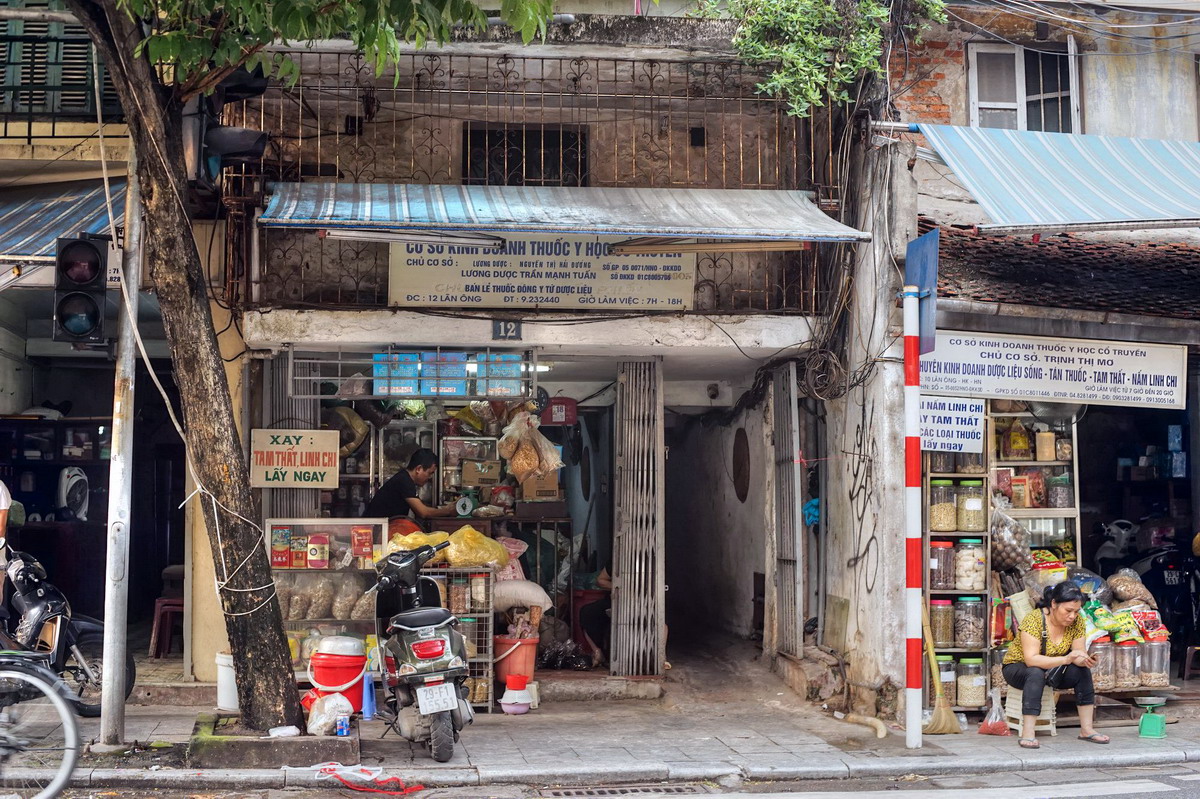
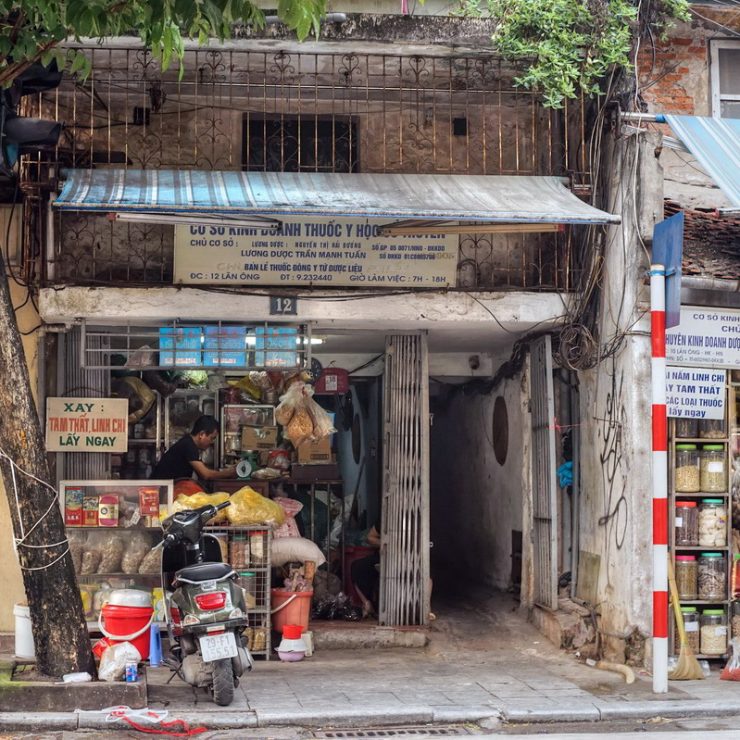
From Rey Hotel the simplest plan is on foot — about 15 minutes through the guild streets. We like turning it into a loop: start at the Old City Gate (Quan Chuong), one of the last surviving gates of the old citadel wall, wander through the herbal shops of Lan Ong and the festive decorations of Hang Ma, and arrive at the tracks with time to spare. ドンスアン市場, Hanoi’s largest covered market, sits five minutes from our door and makes a great first stop if you set out before mid-morning. Our walkable Hanoi guide maps the routes, and our doorstep guide to the Old Quarter adds more stops along the way.

If 15 minutes on foot sounds like a lot in the summer heat, a ride-hail car from the hotel covers it in about five minutes — our getting-around guide compares taxis, Grab and buses. After the passings, most guests keep walking: Hoan Kiem Lake is a 7-minute stroll from the hotel and the full loop is the best cool-down in the city — our Hoan Kiem Lake guide covers the legend, the red bridge and the 5:30 a.m. tai chi hour.
📷 Photography Tips
Both golden hours work, in different moods. The late-afternoon light before the 15:00–16:30 window warms the rails and the yellow housefronts and flatters wide shots of the squeeze; the evening passings trade sunlight for lanterns and café bulbs — moody, red-gold files that suit a slower shutter and a steadier hand. Neither is “better”; they are simply two different Train Streets.
The horn moment is the shot. When the warning horn sounds, switch to video and let it run until the last carriage clears: that minute or so holds the entire ritual — the clearing of stools, the sudden stillness, the thunder, the collective exhale. For stills, a wide lens captures the squeeze best; just remember the rule about straps and tripod legs staying off the rails.
Above all, photograph respectfully: this is a living neighbourhood, not a film set. Never point your lens into someone’s living room, and ask before close-up portraits — a smile and a raised camera are usually enough. Buy your coffee at the café whose view you use; that is the fairest thank-you. If a resident waves you off, take the wide shot and move on — the train is the star anyway.
A note on gear: you do not need much. Phones handle the squeeze shot well because the train fills the frame for you; if you bring a camera, a wide-to-normal lens covers the lane and a fast shutter freezes the carriages. Light is the real variable — harsh midday flattens everything — so if you can only choose one slot, take the late-afternoon window and let the low sun do the work.
🏨 Beat the Crowds
The honest pattern: crowds build through the afternoon and peak for the evening passings, when every balcony is full. The stretch is calmest in the morning — but the cafés often open late and passings are rare then, so treat mornings as the time for everything else.
Our favourite alternative: enjoy the morning coffee ritual on a quiet balcony at the hotel instead. The Suite with Balcony looks out over the Old Quarter rooftops, and MOJO Cafe & Bistro will send the coffee up — the calm before the train-storm, at a fraction of the queue. Our complete guide to Rey Hotel Hanoi covers the rooms, the breakfast and the garden courtyard where the city finally goes quiet.
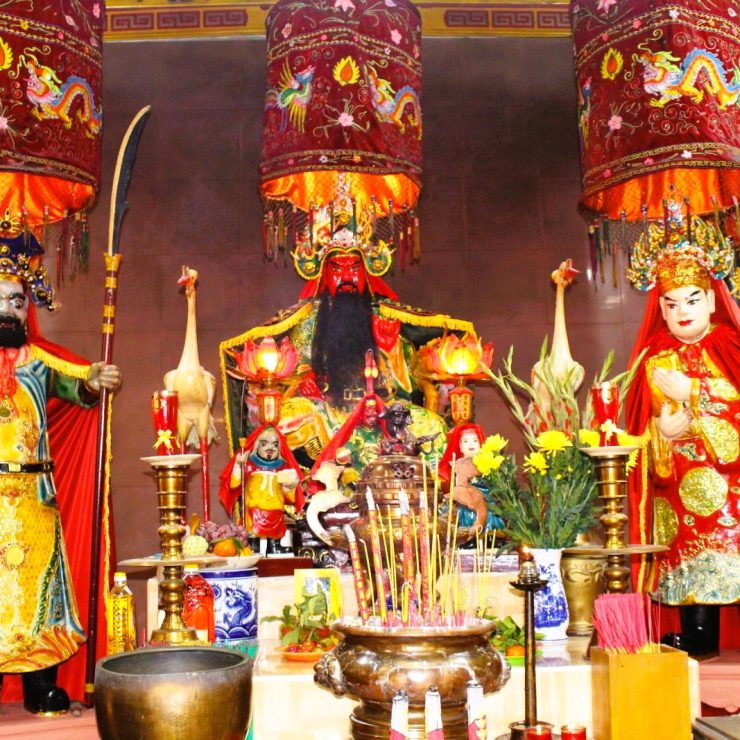
If you would rather warm up culturally first, the Quan De Temple is four minutes from our door — red-robed statues and incense coils in a courtyard most tourists walk straight past — and our hidden gems within 5 minutes of Rey Hotel lists a few more. Morning is also when the lake belongs to locals: the tai chi crowds arrive from about 5:30, and the loop is blissfully cool.
Put together, the day writes itself: tai chi at the lake, a slow balcony coffee, the temple and the herbal lanes, an early lunch — and then you roll up to the tracks in the mid-afternoon, relaxed, fed and first in line for the front row. That is how our team does Train Street, and we have never once minded the wait.

❓ Frequently Asked Questions
Is Train Street open to tourists in 2026?
Yes — but only from the cafés along the tracks. Standing or walking on the rails is prohibited, and police periodically enforce the rules. Buy a drink, take a café seat, and enjoy the passings from there. If you are unsure on the day, our front desk can point you to a café with a good view.
When do trains pass through Train Street?
Typically in mid-afternoon windows around 15:00–16:30 and again in evening slots between 19:00 and 22:00 — but the exact times change daily. Confirm with the café staff or the café’s Facebook page and arrive 30–45 minutes early for a front-row seat.
Is Train Street safe?
Yes, if you follow the rules: stay seated inside the café, keep bags and limbs off the rails, and never touch the train. The trains pass within arm’s reach of the cafés, which is exactly why the staff-run seating system exists — let the staff do the timing and it is a calm, well-managed experience.
How much does a seat at a Train Street café cost?
There is no seat fee — you simply buy a drink. Coffee runs roughly 50,000–100,000 VND (checked as of late 2026), more than a street stall charges, and the premium covers your stool, the view and the staff who keep everyone safe.
Can children visit Train Street?
Yes, with close supervision. Keep children on your lap or firmly by the hand during the passings, and choose a street-level table with room to sit well back. Staff are used to families and will help you find the safest spot — plenty of Hanoi kids grow up around this street, and the cafés are ready for little guests.

 English
 Korean
 Chinese (China)
 Japanese
 Vietnamese
 French
 German
 Spanish
 Italian
 Russian
 Chinese (Taiwan)
 Chinese (Hong Kong)
 Thai
 Arabic