
✍️ 由河內Rey Hotel團隊撰寫 — 河內Rey Hotel當地導遊,地址:河內還劍郡李南帝街14號 · 🗓️ 最後更新:2026年11月 · ⏱️ 約12分鐘閱讀
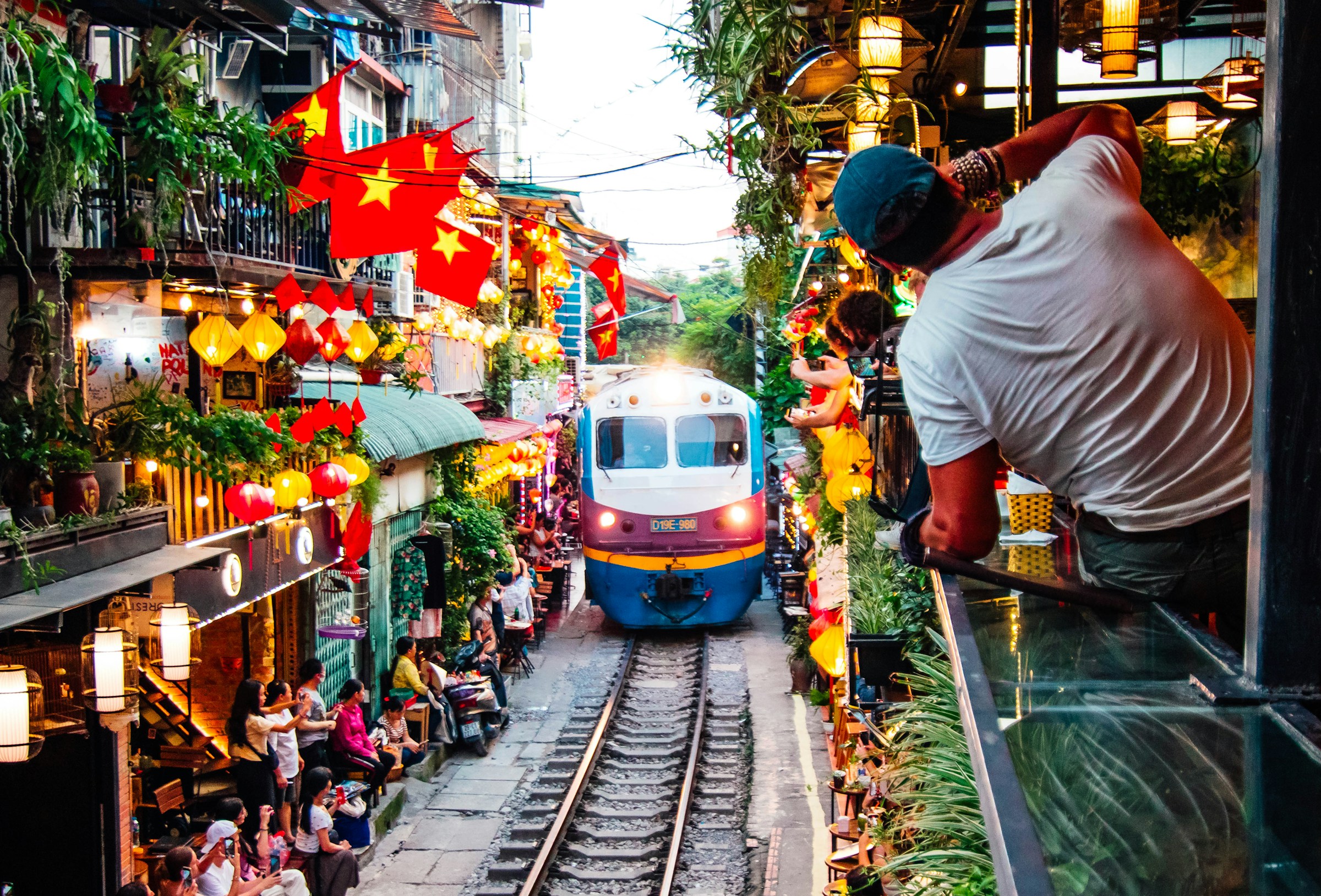
河內有一段鐵軌,每天大約兩次,整條街都會屏住呼吸。凳子刮擦著往後退,手機舉過鐵軌,遠處傳來一聲鳴笛——然後一列火車滑過一個僅比車身寬一點的縫隙,近得你幾乎可以把咖啡遞給司機。這就是火車街:河內被拍攝最多的30分鐘,而且它是一條真正運營的鐵路,不是電影佈景。當地人簡單地稱它為「火車街」:沒有大門,沒有門票,沒有排隊——只是一條恰好有火車經過的社區小巷。
從我們位於 河內雷伊酒店, 的前台出發,著名的那段路程穿過老城區,步行約15分鐘即可愉快抵達,我們的團隊每天都在向客人講解禮儀須知。本指南涵蓋火車街究竟是什麼、2026年火車經過的時間、咖啡館的運作方式、你必須遵守的規則,以及如何在不讓自己和鄰居難堪的情況下拍下那個瞬間。所有價格均於2026年底核實,每一條時間建議都來自親身坐過前排的客人和員工。
開始之前有一個承諾:遵守規則,這將成為你最美好的旅行回憶之一。無視規則,你將收穫一聲警察哨響和一位家門正對鐵軌的老奶奶的白眼。就這麼簡單。
🚂 什麼是火車街?
火車街是一條穿過老城區的運營鐵路走廊的暱稱——具體是黎筍街與馮興街之間的路段,著名的咖啡館段沿著陳富街延伸。這不是遺產線路,也不是觀光火車:每天都有真實的列車使用這些軌道,而鐵軌兩旁的住宅、作坊和咖啡館近在咫尺。晾衣架、盆栽和冒著熱氣的麵鍋擠在枕木邊緣,越南國旗在兩次列車經過之間的巷子上空飄揚。
幾十年來,這裡只是人們生活的地方。後來網路发现了它:一段火車穿過縫隙的短片就能收穫數百萬次觀看,如今這段路兩旁排列著兩三層高的窄長咖啡館,每個陽台都朝向最佳觀景角度。奇妙之處在於,這個社區在成名之後依然存續——老奶奶們仍在列車間隙清掃門前台階,摩托車仍然繞道避開鐵軌,火車依然主宰著時刻表。
而那個時刻表就是這個地方的全部個性。在列車間隙,火車街是老城區最安靜的角落之一:有人在鐵軌對面澆花,一隻貓佔據了陽光最充足的枕木,咖啡館員工沖洗著巷子。然後告示牌更新了,陽台座位坐滿了,街道在半個小時內變成露天劇場。決定一次造訪成敗的是時機,而非地理位置——這就是為什麼下一節值得讀兩遍。
我們的 河內最佳活動指南 將火車街列為城市必體驗項目之一,強調的是「以正確方式體驗」。做對了,它既是一場景觀,也是一堂關於河內如何與自己共享狹窄空間的大師課——可以說,一張照片裡就是整座城市。
🕐 2026年火車時刻
以下是社群媒體上沒人告訴你的真相:沒有公開的時刻表。火車經過著名路段的時間大約是每天兩次—— 下午中段,約15:00–16:30 以及 晚間時段,約19:00至22:00 ——但具體時間每天隨全國調度、延誤和季節而變化。咖啡館員工總知道當天的列車經過時間:點單時詢問、查看門口的手寫告示牌,或提前發訊息確認。
計劃 提前30–45分鐘到達。前排凳子先到先得,旺季時很快就會坐滿。而且要記住:列車經過本身很短——幾分鐘的轟鳴就結束了——所以要在警告鳴笛響起之前坐好。一旦員工開始收凳子、清理鐵軌,立即配合他們的引導;之後還有時間拍照。
實際上,提前30–45分鐘到達是這樣的:你帶著計劃離開酒店,找到你的咖啡館,點單,然後安頓下來。如果某次列車經過推遲了——這種事會發生,而且時刻表每天變化——你是坐在咖啡館裡俯瞰亞洲最有氛圍的小巷之一,而不是站在炎熱的人群中。這種心態轉換把等待時間變成了度假時間。
如何查找當天的時刻?在前台問我們——我們每天早上都會記錄鐵軌旁咖啡館報告的資訊——或者直接在沿線任何一家咖啡館門口詢問。員工靠那個時刻表生活,他們寧願回答你兩次問題,也不願把你從危險中拉開一次。
| 時段 | 典型時間窗口 | 我們的建議 |
|---|---|---|
| 下午中段經過 | 約15:00–16:30 | 首次造訪的最佳日光時段;街道通常較為安靜 |
| 晚間經過 | 約19:00–22:00 | 燈籠點綴、氛圍十足,但也是最繁忙的時段——請早到 |
| 列車經過本身 | 每列火車幾分鐘 | 在警告鳴笛前坐好;聽從員工引導退回 |
💡 當地小貼士: 提前一天透過電話或Facebook給你選擇的咖啡館發訊息——如果你禮貌地請求,很多咖啡館會為你保留前排桌位。工作日的列車經過比週末安靜,而且由於時間每天變動,請在當天早上再次確認。
☕ 咖啡館體驗
這個系統非常簡單:你買一杯飲料,你坐下,咖啡館的員工負責大家的安全。這裡的咖啡比路邊攤貴——一杯咖啡大約 50,000–100,000越南盾 (2026年底核實)——這個溢價買的是你的凳子、視野,以及那些看過數百列火車經過的人的 timing 技巧。
哪個座位最好?街面層的前排凳子給你「火車撲面而來」的瞬間;上層陽台給你車廂在屋頂之間滑過的高空鏡頭。當火車接近時,員工以平靜的編排行動:收凳子、清理矮桌、微笑著堅定地揮手讓大家退離鐵軌。待在他們設定的線後面,在列車經過的三十秒內壓低聲音,讓他們做好自己的工作。
預計總共花費約一個小時。大多數客人提前45分鐘安頓好,慢慢喝著飲料,看鄰里日常,然後迎來他們為之而來的時刻。說實話,那一個小時本身就是一半的樂趣——這是河內唯一一種等待也是表演一部分的旅遊體驗。
還該點什麼?鐵軌旁的菜單很咖啡館式:咖啡、茶、果汁和冷飲,外加一些小食。沒有人是為了食物來的;你付的是鐵軌旁座位的錢,而員工值得這份收入——他們為每次列車經過清理巷子,照看每一把椅子,記住每位客人坐在哪裡。如果你佔用陽台座位經歷了兩次列車經過,再點一杯飲料是得體的做法。
如果你想疊加河內標誌性體驗,等待時點一杯蛋咖啡——我們的 蛋咖啡指南 講述了1946年的原版故事以及在哪裡能找到城市中最好的一杯。
Make an evening of it: an evening passing pairs perfectly with the Weekend Night Market on Hang Dao (Friday to Sunday from about 18:00) or a slow wander toward the lake — our guide to Hanoi at night covers the whole after-dark route.

📏 The Rules (Read Before You Go)
Train Street is open — but only from the café seats. Standing or walking on the tracks is prohibited, and police periodically enforce the rules; access has tightened over the years, so treat the cafés as the only viewing platform. The rules exist because the trains are real: they cannot swerve, they cannot stop quickly, and the distance between “amazing photo” and “terrible afternoon” is about one metre.
In practice the etiquette is short: buy your drink, stay behind your café’s line, keep bags, tripod legs and selfie sticks off the rails, and never touch the train — not for a photo, not for a video, not for any reason. Staff will tell you exactly when to sit back. Listen the first time; they have done this hundreds of times and they are not guessing.
⚠️ Safety note: the passings look slow but arrive faster than they appear — a moving train cannot stop in time, and the rails sit within arm’s reach of every seat. Stay inside the café, keep children on laps during the pass, and keep every strap, bag and limb clear of the tracks.
📍 How to Get There
There are two main entrances to the café stretch — one on Tran Phu and one on Phung Hung — and both drop you into the same row of trackside cafés within a minute’s walk. No ticket is needed to reach the street; like the rest of the Old Quarter, it is free to walk. Signage is minimal, so let your map do the talking: aim for the stretch where the cafés cluster, and you will hear the lane before you see it.
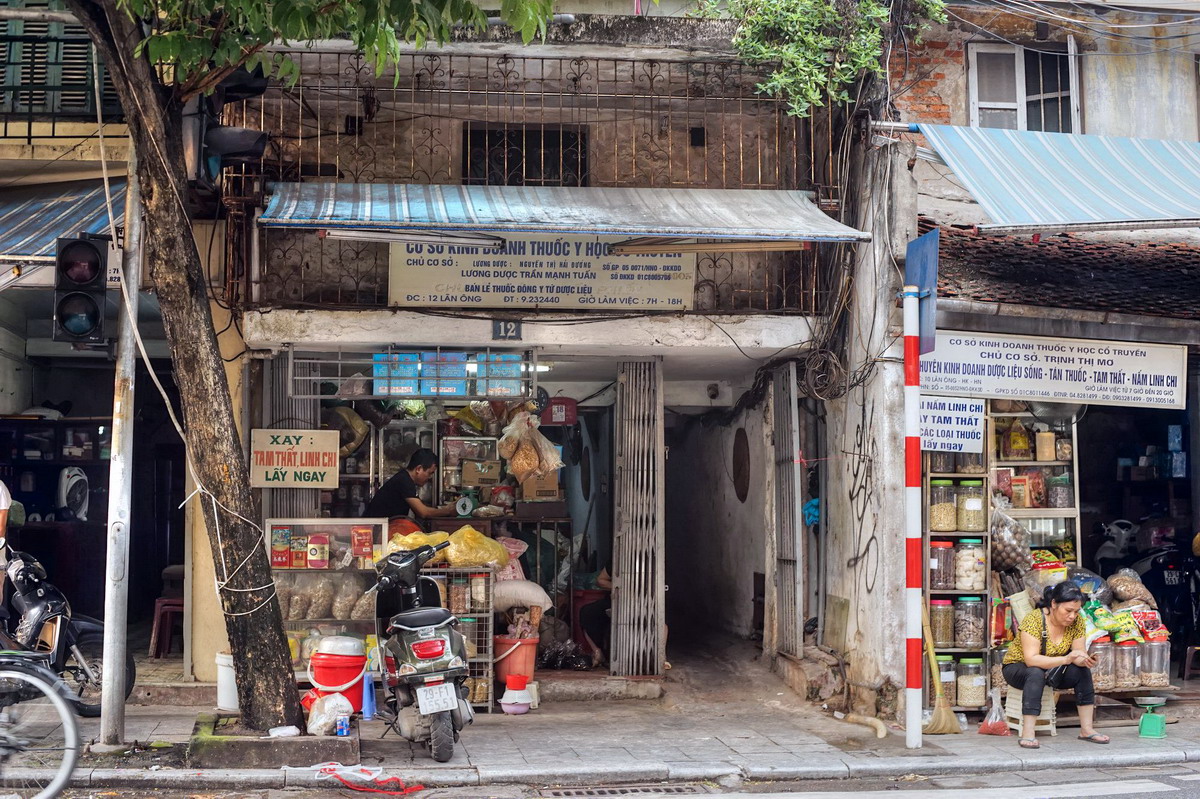
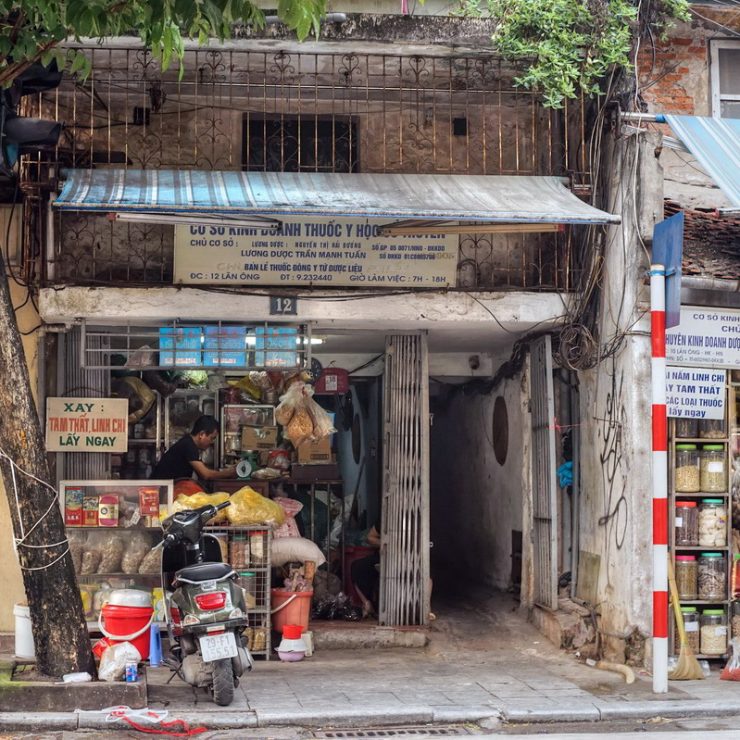
From Rey Hotel the simplest plan is on foot — about 15 minutes through the guild streets. We like turning it into a loop: start at the 舊城門(Quan Chuong), one of the last surviving gates of the old citadel wall, wander through the herbal shops of Lan Ong and the festive decorations of Hang Ma, and arrive at the tracks with time to spare. Dong Xuan Market, Hanoi’s largest covered market, sits five minutes from our door and makes a great first stop if you set out before mid-morning. Our walkable Hanoi guide maps the routes, and our doorstep guide to the Old Quarter adds more stops along the way.

If 15 minutes on foot sounds like a lot in the summer heat, a ride-hail car from the hotel covers it in about five minutes — our getting-around guide compares taxis, Grab and buses. After the passings, most guests keep walking: Hoan Kiem Lake is a 7-minute stroll from the hotel and the full loop is the best cool-down in the city — our 還劍湖指南 covers the legend, the red bridge and the 5:30 a.m. tai chi hour.
📷 Photography Tips
Both golden hours work, in different moods. The late-afternoon light before the 15:00–16:30 window warms the rails and the yellow housefronts and flatters wide shots of the squeeze; the evening passings trade sunlight for lanterns and café bulbs — moody, red-gold files that suit a slower shutter and a steadier hand. Neither is “better”; they are simply two different Train Streets.
The horn moment is the shot. When the warning horn sounds, switch to video and let it run until the last carriage clears: that minute or so holds the entire ritual — the clearing of stools, the sudden stillness, the thunder, the collective exhale. For stills, a wide lens captures the squeeze best; just remember the rule about straps and tripod legs staying off the rails.
Above all, photograph respectfully: this is a living neighbourhood, not a film set. Never point your lens into someone’s living room, and ask before close-up portraits — a smile and a raised camera are usually enough. Buy your coffee at the café whose view you use; that is the fairest thank-you. If a resident waves you off, take the wide shot and move on — the train is the star anyway.
A note on gear: you do not need much. Phones handle the squeeze shot well because the train fills the frame for you; if you bring a camera, a wide-to-normal lens covers the lane and a fast shutter freezes the carriages. Light is the real variable — harsh midday flattens everything — so if you can only choose one slot, take the late-afternoon window and let the low sun do the work.
🏨 Beat the Crowds
The honest pattern: crowds build through the afternoon and peak for the evening passings, when every balcony is full. The stretch is calmest in the morning — but the cafés often open late and passings are rare then, so treat mornings as the time for everything else.
Our favourite alternative: enjoy the morning coffee ritual on a quiet balcony at the hotel instead. The Suite with Balcony looks out over the Old Quarter rooftops, and MOJO Cafe & Bistro will send the coffee up — the calm before the train-storm, at a fraction of the queue. Our Rey Hotel Hanoi 完整指南 covers the rooms, the breakfast and the garden courtyard where the city finally goes quiet.
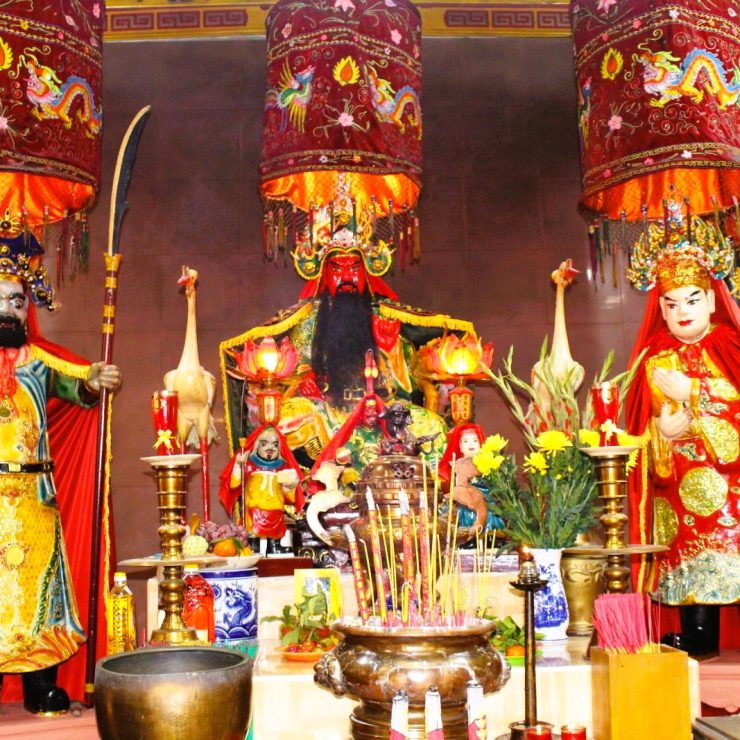
If you would rather warm up culturally first, the Quan De Temple is four minutes from our door — red-robed statues and incense coils in a courtyard most tourists walk straight past — and our Rey Hotel 5分鐘內的隱藏瑰寶 lists a few more. Morning is also when the lake belongs to locals: the tai chi crowds arrive from about 5:30, and the loop is blissfully cool.
Put together, the day writes itself: tai chi at the lake, a slow balcony coffee, the temple and the herbal lanes, an early lunch — and then you roll up to the tracks in the mid-afternoon, relaxed, fed and first in line for the front row. That is how our team does Train Street, and we have never once minded the wait.

❓ 常見問題
2026年火車街是否對遊客開放?
是的——但僅限於軌道旁的咖啡館。禁止站立或行走於鐵軌上,警方會定期執行相關規定。買杯飲料,在咖啡館入座,從那裡欣賞列車經過。若您當天不確定,我們的櫃檯人員可以為您指引視野良好的咖啡館。
火車什麼時候會經過火車街?
Typically in mid-afternoon windows around 15:00–16:30 and again in evening slots between 19:00 and 22:00 — but the exact times change daily. Confirm with the café staff or the café’s Facebook page and arrive 30–45 minutes early for a front-row seat.
火車街安全嗎?
Yes, if you follow the rules: stay seated inside the café, keep bags and limbs off the rails, and never touch the train. The trains pass within arm’s reach of the cafés, which is exactly why the staff-run seating system exists — let the staff do the timing and it is a calm, well-managed experience.
火車街咖啡館的一個座位要多少錢?
不收取座位費——你只需買一杯飲料。咖啡價格約為50,000至100,000越南盾(截至2026年底查證),比路邊攤收費更高,而這部分溢價涵蓋了你的座位、景觀以及維持所有人安全的工作人員。
兒童可以參觀火車街嗎?
是的,但需密切監督。在列車通過時,讓孩子坐在您腿上或緊緊牽住他們的手,並選擇有足夠空間可安全後退的街邊座位。店家對家庭顧客習以為常,會協助您找到最安全的位置——許多河內孩子就是在這條街附近長大的,咖啡館也早已準備好接待小客人。

 English
 Korean
 Chinese (China)
 Japanese
 Vietnamese
 French
 German
 Spanish
 Italian
 Russian
 Chinese (Taiwan)
 Chinese (Hong Kong)
 Thai
 Arabic