
✍️ ハノー・レイ・ホテル・チームによる — ハノイ、ホアンキエム区、リーナムデー通り14番、レイホテルハノイのローカルガイド · 🗓️ 最終更新:2026年11月 · ⏱️ 約12分で読めます
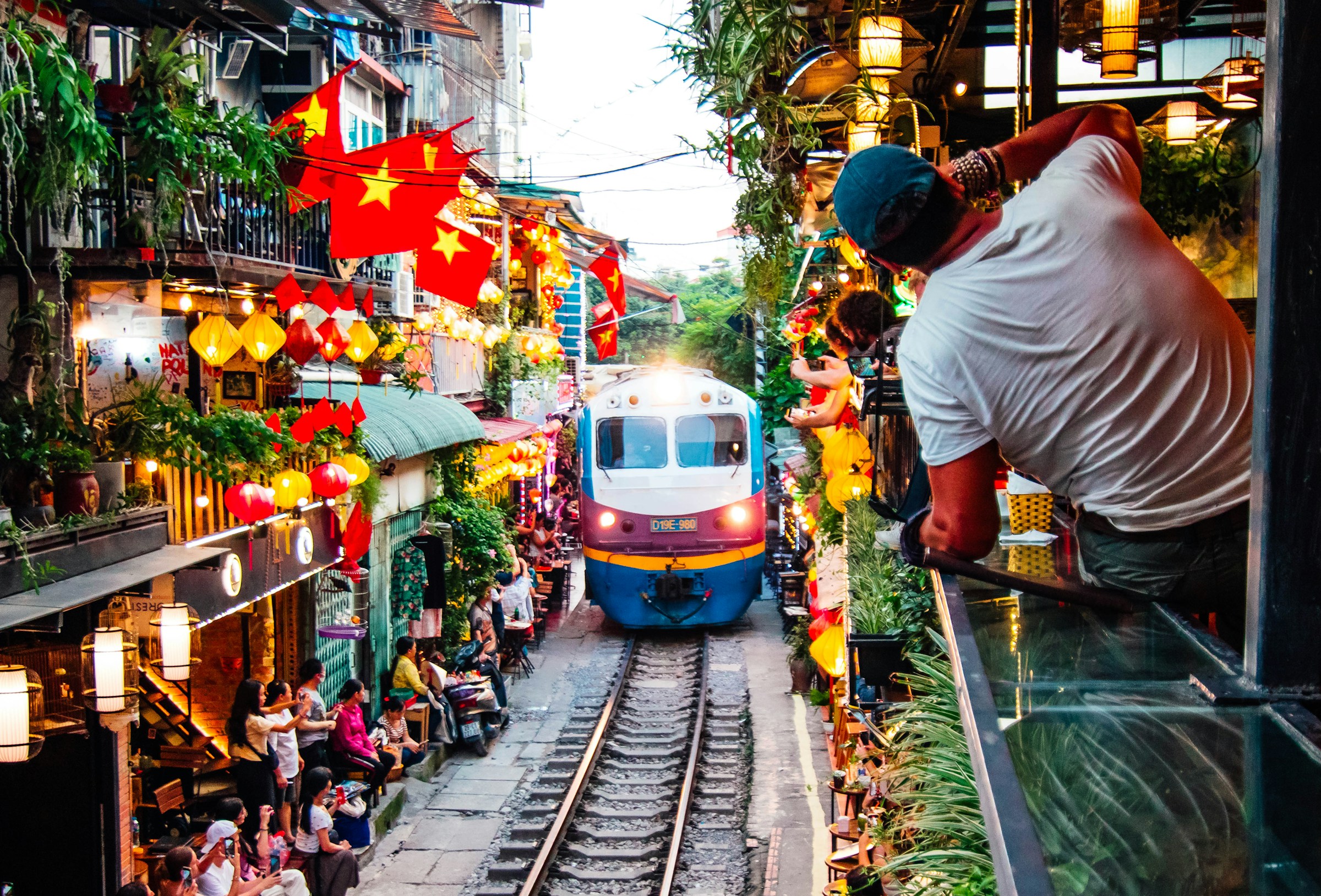
ハノイには、1日に2回ほど、通り全体が息を潜める線路がある。スツールが引きずられ、スマホが線路の上に掲げられ、線路の先の方で警笛が鳴る——そして列車が、列車自体よりほとんど広くない隙間を滑るように通過する。運転士にコーヒーを手渡せるほどの近さだ。これがトレイン・ストリート:ハノイで最も写真に撮られる30分であり、映画のセットではなく、実際に稼働している鉄道である。地元の人々はただ「線路の通り」と呼ぶ。門も、チケットも、行列もなく、ただ列車が通る近所の路地があるだけだ。
私たちのフロントデスクから レイ ホテル ハノイ、有名な区間は旧市街を通る心地よい15分の散歩道にあり、私たちのチームは毎日ゲストにエチケットを説明している。このガイドでは、トレイン・ストリートとは実際何なのか、2026年に列車がいつ通過するのか、カフェのシステムがどう機能するのか、守らなければならないルール、そして近隣住民にも自分自身にも恥をかかずにその瞬間を撮影する方法を扱う。すべての価格は2026年後半時点で確認済みであり、すべてのタイミングのヒントは最前列に座ったことのあるゲストとスタッフから得たものである。
始める前に一つ約束しよう:ルールを守れば、これは最高の旅行の思い出の一つになる。無視すれば、警察の笛と、玄関が線路に直接面しているおばあさんの渋い顔を買うことになる。本当にそれだけシンプルなのだ。
🚂 トレイン・ストリートとは?
トレイン・ストリートは、旧市街を真っ直ぐに貫く現役の鉄道回廊の愛称である——レ・ズアン通りとフン・フン通りの間の区間で、有名なカフェの並びはチャン・フー通り沿いに走っている。これは遺産路線でも観光列車でもない。実際の列車が毎日これらの線路を使用しており、線路に隣接する家屋、工房、カフェは手の届く距離にある。物干し台、鉢植え、湯気の立つ麺鍋が枕木の縁にひしめき、通過の合間には路地の上にベトナムの旗がはためく。
何十年もの間、ここはただ人々が暮らす場所だった。そしてインターネットが見つけた:列車が隙間を縫うように通る1本のクリップが数百万回再生され、今日ではこの区間には2階建て、3階建ての細長いカフェが立ち並び、どのバルコニーも最前列の眺めを狙って角度が付けられている。驚くべきは、この界隈が自らの名声を生き延びたことだ——おばあさんたちは今も通過の合間に玄関先を掃き、バイクは今も線路を迂回し、列車は今も時刻表を支配している。
そしてその時刻表こそがこの場所の個性そのものだ。通過の合間、トレイン・ストリートは旧市街で最も静かな一角の一つである:誰かが線路の上で植物に水をやり、猫が一番日当たりの良い枕木を占領し、カフェのスタッフが路地を水で流す。そして掲示板が更新され、バルコニーの席が埋まり、通りは30分間の野外劇場に変わる。訪問を成功させるのも台無しにするのも、地理ではなくタイミングである——だからこそ次のセクションは二度読むべきなのだ。
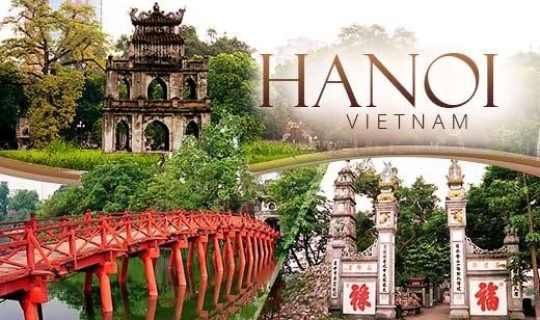
私たちの ハノーで最高の体験ガイド はトレイン・ストリートを街の必体験の一つに位置づけており、「正しく体験すること」を強調している。正しく行えば、それは半分は見世物であり、半分はハノイが狭い空間をいかに共有しているかのマスタークラスである——それはおそらく、街全体を一枚の画像にしたものだ。
🕐 2026年の列車時刻
SNSで誰も教えてくれない真実をお伝えしよう:公開時刻表は存在しない。列車は有名な区間を1日に約2回通過する—— 午後半ばの15:00~16:30頃の枠 そして 19:00〜22:00の夜の時間帯 ——しかし正確な時刻は国のダイヤ、遅延、季節によって毎日変わる。カフェのスタッフはその日の通過時刻を必ず知っている:注文時に聞くか、入口の手書きボードを確認するか、事前にメッセージを送ろう。
到着は 30~45分前に到着する. 計画しよう。最前列のスツールは先着順で、ハイシーズンにはすぐ埋まる。そして知っておいてほしい:通過自体は短い——雷鳴のような数分で過ぎ去る——だから警告の警笛が鳴る前にしっかり着席しておくこと。スタッフがスツールを引き込み線路を片付け始めたら、すぐに従うこと。写真の時間は後にある。
実際には、30~45分前に到着するとはこういうことだ:計画を持ってホテルを出て、カフェを見つけ、注文し、落ち着く。もし通過がずれても——よくあることで、ダイヤは毎日変わる——あなたはアジアで最も雰囲気のある路地の一つを見下ろすカフェに座っているのであり、暑い人混みの中に立っているのではない。この捉え方の転換が、待ち時間を休暇の時間に変える。
今日の時刻をどうやって知る?フロントデスクで私たちに聞いてほしい——線路沿いのカフェが毎朝報告する内容を控えている——あるいは区間沿いのどのカフェでも入口で聞けばよい。スタッフはそのスケジュールで生きており、一度あなたを脇に引っ張るよりも二度質問に答える方を選ぶ。
| 時間帯 | 一般的な時間枠 | 私たちのヒント |
|---|---|---|
| 午後半ばの通過 | おおよそ15:00~16:30 | 初めての人には最適な日中の光;通りはたいてい落ち着いている |
| 夜の通過 | おおよそ19:00~22:00 | ランタンに照らされ雰囲気抜群だが、最も混雑する時間帯——早めに来ること |
| 通過自体 | 列車ごとに数分 | 警告の警笛の前に着席すること;スタッフの誘導に従って戻ること |
💡 地元のヒント: 前日に電話かFacebookで希望のカフェにメッセージを送ろう——丁寧に頼めば最前列のテーブルを確保してくれる店が多い。平日の通過は週末より落ち着いており、時刻は毎日変わるので、当日の朝に再確認すること。
☕ カフェ体験
システムは美しいほどシンプルだ:飲み物を買い、席に着けば、カフェのスタッフが全員の安全を守ってくれる。コーヒーは路上の屋台より高い——目安として 50,000~100,000ドン のコーヒー(2026年後半時点で確認)——その割増はスツール、眺め、そして何百もの列車を見てきた人々のタイミングの技術を買うものだ。
どの席が一番いい?通りに面した最前列のスツールでは「列車が目の前」の瞬間が得られ、上階のバルコニーでは屋根の間を滑る車両の俯瞰ショットが得られる。列車が近づくと、スタッフは冷静な振り付けで動く:スツールを入れ、低いテーブルを片付け、笑顔としっかりした手振りで全員を線路から下がらせる。彼らが設定した線の後ろに留まり、通過の30秒間は声を控え、彼らに任せよう。
合計1時間ほど過ごすことになる。ほとんどのゲストは45分前に落ち着き、飲み物を楽しみながら界隈の日常を眺め、そしてお目当ての瞬間を手にする。正直に言えば、その1時間が楽しさの半分だ——ハノイで待つことがショーの一部である唯一の観光体験である。
他に何を注文する?線路沿いのメニューはカフェらしくシンプルだ:コーヒー、お茶、ジュース、冷たい飲み物、そして軽食が少し。食べ物目当てで来る人はいない;あなたは線路沿いの席にお金を払っており、スタッフはそれを稼いでいる——通過のたびに路地を片付け、すべての椅子に気を配り、すべての客がどこに座っているかを覚えている。2回の通過にわたってバルコニーの席を使うなら、2杯目を注文するのが礼儀だ。
ハノイのアイコンを重ねたいなら、待つ間にカフェ・チュン(卵コーヒー)を注文しよう——私たちの エッグコーヒーガイド が1946年のオリジナルと街で最高の一杯の場所を説明している。
夜を楽しみに変えよう:夜の通過はハン・ダオの週末ナイトマーケット(金曜から日曜、18:00頃から)や湖へのゆっくりした散歩と完璧に組み合わせられる——私たちの ハノイの夜のガイド が日没後のルート全体をカバーしている。

📏 ルール(行く前に読むこと)
トレイン・ストリートは開いている——ただしカフェの席からのみ。線路の上に立ったり歩いたりすることは禁止されており、警察が定期的にルールを執行している;年々アクセスは厳しくなっているので、カフェだけを唯一の観覧場所として扱うこと。ルールが存在するのは列車が本物だからだ:列車は避けることができず、急停止もできず、「素晴らしい写真」と「最悪の午後」の距離は約1メートルしかない。
実際のエチケットは短い:飲み物を買い、カフェが設定した線の後ろに留まり、バッグ、三脚の脚、自撮り棒を線路の上に置かず、絶対に列車に触れないこと——写真のためにも、動画のためにも、いかなる理由でも。スタッフがいつ下がるべきかを正確に教えてくれる。最初の一度で聞くこと;彼らはこれを何百回もやっており、推測しているのではない。
⚠️ 安全上の注意: the passings look slow but arrive faster than they appear — a moving train cannot stop in time, and the rails sit within arm’s reach of every seat. Stay inside the café, keep children on laps during the pass, and keep every strap, bag and limb clear of the tracks.
📍 How to Get There
There are two main entrances to the café stretch — one on Tran Phu and one on Phung Hung — and both drop you into the same row of trackside cafés within a minute’s walk. No ticket is needed to reach the street; like the rest of the Old Quarter, it is free to walk. Signage is minimal, so let your map do the talking: aim for the stretch where the cafés cluster, and you will hear the lane before you see it.
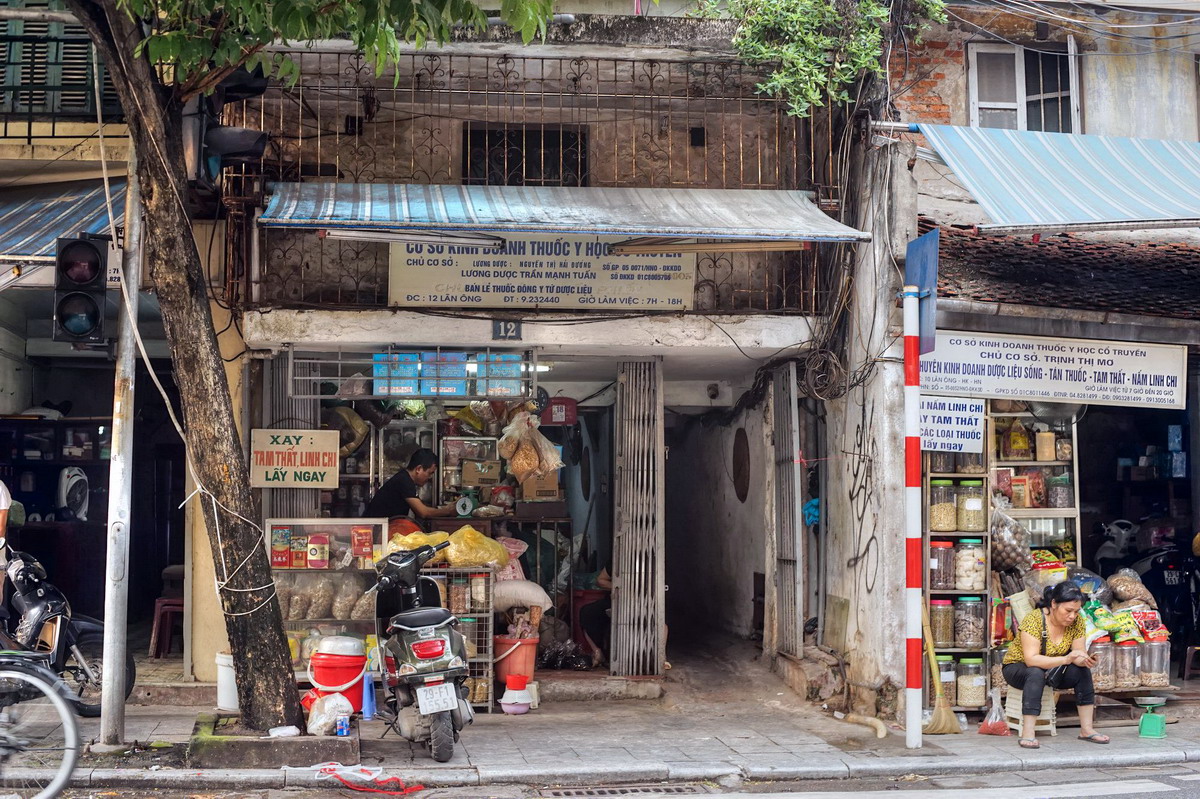
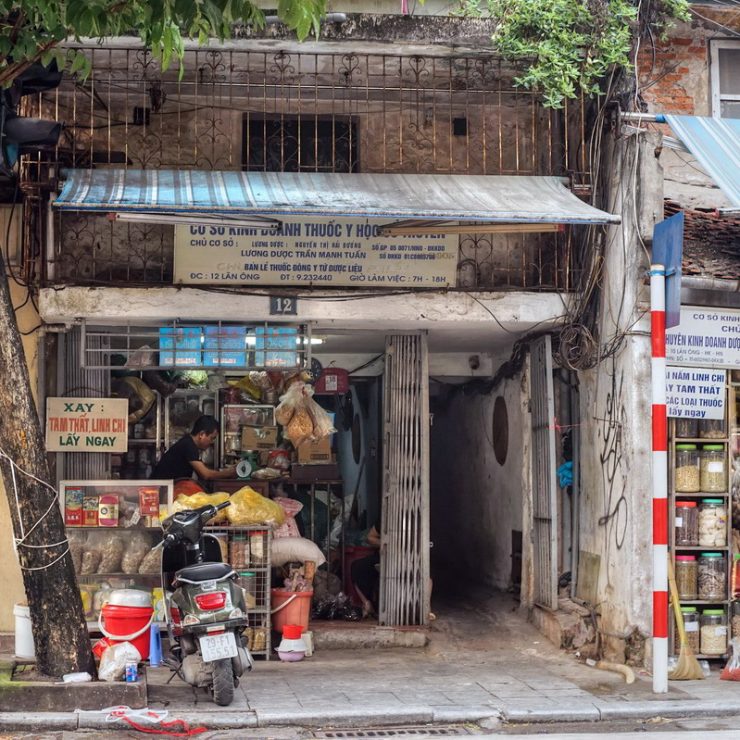
From Rey Hotel the simplest plan is on foot — about 15 minutes through the guild streets. We like turning it into a loop: start at the 旧市街門(クアンチュオン), one of the last surviving gates of the old citadel wall, wander through the herbal shops of Lan Ong and the festive decorations of Hang Ma, and arrive at the tracks with time to spare. ドンスアン市場, Hanoi’s largest covered market, sits five minutes from our door and makes a great first stop if you set out before mid-morning. Our 玄関先ガイド maps the routes, and our doorstep guide to the Old Quarter adds more stops along the way.

If 15 minutes on foot sounds like a lot in the summer heat, a ride-hail car from the hotel covers it in about five minutes — our getting-around guide compares taxis, Grab and buses. After the passings, most guests keep walking: Hoan Kiem Lake is a 7-minute stroll from the hotel and the full loop is the best cool-down in the city — our ホアンキエム湖ガイド covers the legend, the red bridge and the 5:30 a.m. tai chi hour.
📷 Photography Tips
Both golden hours work, in different moods. The late-afternoon light before the 15:00–16:30 window warms the rails and the yellow housefronts and flatters wide shots of the squeeze; the evening passings trade sunlight for lanterns and café bulbs — moody, red-gold files that suit a slower shutter and a steadier hand. Neither is “better”; they are simply two different Train Streets.
The horn moment is the shot. When the warning horn sounds, switch to video and let it run until the last carriage clears: that minute or so holds the entire ritual — the clearing of stools, the sudden stillness, the thunder, the collective exhale. For stills, a wide lens captures the squeeze best; just remember the rule about straps and tripod legs staying off the rails.
Above all, photograph respectfully: this is a living neighbourhood, not a film set. Never point your lens into someone’s living room, and ask before close-up portraits — a smile and a raised camera are usually enough. Buy your coffee at the café whose view you use; that is the fairest thank-you. If a resident waves you off, take the wide shot and move on — the train is the star anyway.
A note on gear: you do not need much. Phones handle the squeeze shot well because the train fills the frame for you; if you bring a camera, a wide-to-normal lens covers the lane and a fast shutter freezes the carriages. Light is the real variable — harsh midday flattens everything — so if you can only choose one slot, take the late-afternoon window and let the low sun do the work.
🏨 Beat the Crowds
The honest pattern: crowds build through the afternoon and peak for the evening passings, when every balcony is full. The stretch is calmest in the morning — but the cafés often open late and passings are rare then, so treat mornings as the time for everything else.
Our favourite alternative: enjoy the morning coffee ritual on a quiet balcony at the hotel instead. The Suite with Balcony looks out over the Old Quarter rooftops, and MOJO Cafe & Bistro will send the coffee up — the calm before the train-storm, at a fraction of the queue. Our complete guide to Rey Hotel Hanoi covers the rooms, the breakfast and the garden courtyard where the city finally goes quiet.
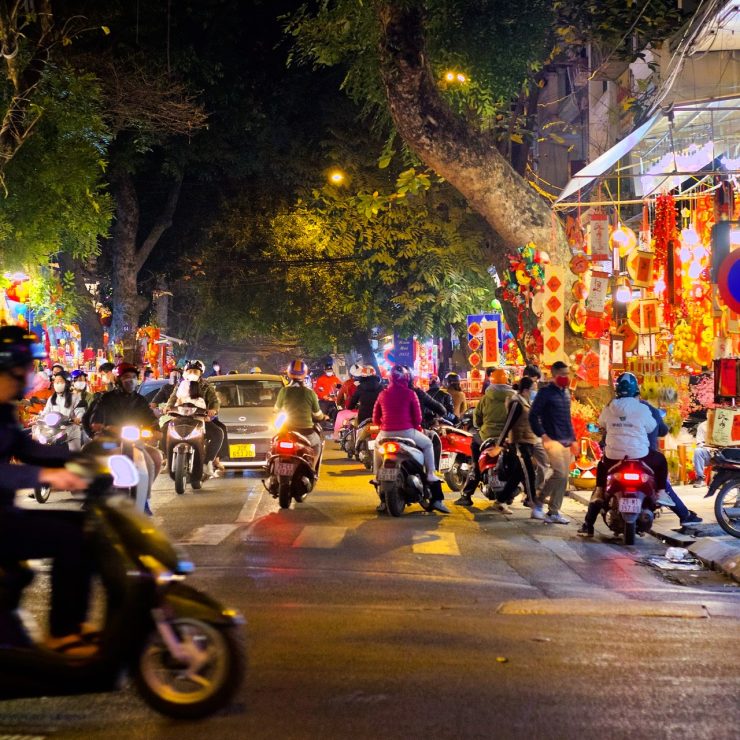
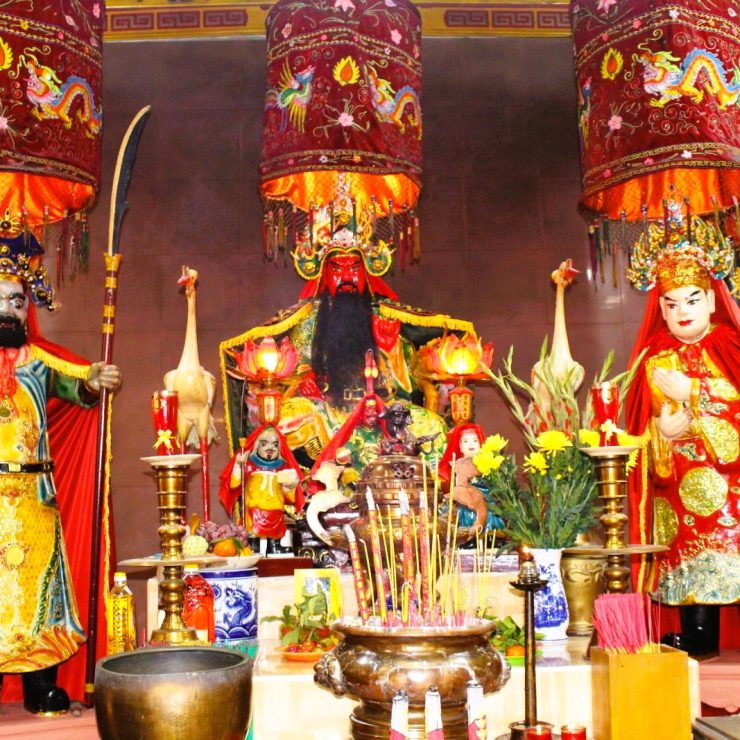
If you would rather warm up culturally first, the Quan De Temple is four minutes from our door — red-robed statues and incense coils in a courtyard most tourists walk straight past — and our レイホテルから5分以内の隠れた名所 lists a few more. Morning is also when the lake belongs to locals: the tai chi crowds arrive from about 5:30, and the loop is blissfully cool.
Put together, the day writes itself: tai chi at the lake, a slow balcony coffee, the temple and the herbal lanes, an early lunch — and then you roll up to the tracks in the mid-afternoon, relaxed, fed and first in line for the front row. That is how our team does Train Street, and we have never once minded the wait.

❓ Frequently Asked Questions
2026年、トレイン・ストリートは観光客に開放されていますか?
はい、ただし線路沿いのカフェからのみとなります。線路上に立ったり歩いたりすることは禁止されており、警察が定期的に規則を執行しています。飲み物を購入し、カフェの席に着いて、そこから通過する列車をお楽しみください。当日ご不明な場合は、フロントデスクで眺めの良いカフェをご案内いたします。
列車はいつトレイン・ストリートを通過しますか?
Typically in mid-afternoon windows around 15:00–16:30 and again in evening slots between 19:00 and 22:00 — but the exact times change daily. Confirm with the café staff or the café’s Facebook page and arrive 30–45 minutes early for a front-row seat.
トレイン・ストリートは安全ですか?
Yes, if you follow the rules: stay seated inside the café, keep bags and limbs off the rails, and never touch the train. The trains pass within arm’s reach of the cafés, which is exactly why the staff-run seating system exists — let the staff do the timing and it is a calm, well-managed experience.
トレインストリートのカフェの席はいくらですか?
席料はありません — ドリンクを買うだけです。コーヒーはおおよそ50,000~100,000ドン(2026年後半時点で確認)、路上の屋台より高く、そのプレミアムは席、眺め、そして全員の安全を守るスタッフの分をカバーしています。
子供はトレイン・ストリートを訪れることができますか?
はい、十分な監督のもとで可能です。通過の際はお子様を膝に乗せるか、しっかり手を握っていてください。また、十分に下がって座れるスペースのある street-level の席を選んでください。スタッフは家族連れに慣れており、最も安全な場所を見つけるお手伝いをします — 多くのハノイの子どもたちがこの通りの周辺で育っており、カフェも小さなお客様を受け入れる準備ができています。
 English
 Korean
 Chinese (China)
 Japanese
 Vietnamese
 French
 German
 Spanish
 Italian
 Russian
 Chinese (Taiwan)
 Chinese (Hong Kong)
 Thai
 Arabic