

✍️ بقلم فريق فندق ري هوتيل هانوي — مرشدون محليون في فندق ري هوتيل هانوي، 14 لي نام دي، منطقة هوان كيم، هانوي · 🗓️ آخر تحديث: نوفمبر 2026 · ⏱️ ~12 دقيقة قراءة
“متى أفضل وقت لزيارة هانوي؟” هو السؤال الأكثر شيوعاً الذي يطرحه ضيوفنا عند تسجيل الوصول — عادةً بينما نسلّمهم خريطة. الإجابة المختصرة من مكتب الاستقبال هي فندق ري هانوي: أكتوبر ونوفمبر أولاً، مع مارس وأبريل في المركز الثاني القريب جداً. هاتان الفترتان تجمعان بين ألطف درجات الحرارة وأكثر الأجواء جفافاً وإشراقاً التي تشهدها المدينة طوال العام، وهما الشهران اللذان سيختارهما فريقنا لزيارة أولى.
الإجابة الأطول هي بقية هذا الدليل، لأن هانوي لا تعرف الفصول المتدرجة. لديها أربع شخصيات مختلفة تماماً: شتاء بارد وجاف؛ ورذاذ رطب خانق نسميه "مưa nồm"؛ وصيف موسمي حار مع رعد؛ وفترتان ذهبيتان انتقاليتان يحتفظ بهما السكان المحليون كسرّ. نحن فريق فندق ولسنا خبراء أرصاد جوية — ما يلي هو حكمة مكتب الاستقبال من سنوات استقبال الضيوف في كل فصل، مدققة مقابل المتوسطات الحضرية حتى أواخر 2026.
قاعدة واحدة قبل التفاصيل: هانوي تخالف قواعدها أحياناً. أكتوبر الجاف قد يفاجئك بأسبوع ممطر؛ وموجة برد يناير قد تكون الأشد منذ سنوات. تعامل مع كل ما يلي كالشكل النموذجي لكل شهر، ثم تحقق من توقعات الطقس المباشرة لتواريخك الفعلية قبل التعبئة — واسألنا في المكتب إذا أردت رأياً ثانياً.
🌦️ فصول هانوي الأربعة في لمحة
إليك العام بأكمله في نظرة واحدة. إيقاع المدينة العام بسيط: بارد وجاف من نوفمبر حتى أبريل، حار ورطب مع أمطار غزيرة من مايو حتى سبتمبر أو ما بعده، وأشد الأمطار من يوليو إلى سبتمبر — والنقطتان المثاليتان تقعان عند كل طرف من هذا الانقسام. الأرقام هي أنماط ومتوسطات نموذجية، وليست ضمانات لأي يوم بعينه.
| الشهر | درجة الحرارة النموذجية | هطول الأمطار | تقييمنا |
|---|---|---|---|
| يناير | أبرد فترة؛ بعض الليالي تنخفض دون 10 °م | جاف في الغالب | شوارع نقية وهادئة — احزم طبقات إضافية |
| فبراير | صباحات باردة، فترات بعد الظهر ألطف؛ قد يبدأ الرذاذ الرطب | رذاذ خفيف (mưa nồm) | عيد تيت يصادف أواخر يناير أو فبراير — تحقق من التواريخ |
| مارس | بارد إلى معتدل؛ أسابيع رطبة من mưa nồm شائعة | رذاذ متكرر | جيد مع معطف واقٍ من المطر وملابس سريعة الجفاف |
| أبريل | معتدل يتحول إلى دافئ مع اقتراب الصيف | أكثر جفافاً في البداية، زخات مطر في أواخر الشهر | النقطة المثالية — أوائل أبريل خاصةً |
| مايو | الصيف يصل؛ الأيام الحارة تقترب من 30–38 °م | أول زخات مطر حقيقية | الصباحات الباكرة، فترات بعد الظهر المظللة |
| يونيو | حار ورطب | زخات مطر منتظمة بعد الظهر | فترات بعد الظهر في المتاحف والمقاهي |
| يوليو | حار ورطب، 30–38 °م في أيام الذروة | من أشد الأمطار في العام | خطط لفترات راحة داخلية 13:00–15:00 |
| أغسطس | حار ورطب | من أشد الأمطار في العام | خطط مرنة، ملابس سريعة الجفاف |
| سبتمبر | حار في البداية، يخف بشكل ملحوظ بنهاية الشهر | الأمطار تبدأ في التراجع | المفصل نحو الخريف — يتحسن أسبوعياً |
| أكتوبر | معتدل ومشرق — أكثر فترة مريحة في العام | أمطار خفيفة متلاشية | النافذة الذهبية |
| November | Cool and dry; winter averages 17–22 °C | Very little | The golden window, part two |
| December | Cool days, chilly mornings | جاف في الغالب | Moody photos and egg-coffee weather |
Those are city-wide typicals of the kind we quote when a guest asks at the desk, not a forecast. For your specific week a live forecast beats any calendar, and our team is happy to sanity-check your itinerary when you arrive — it is one of our favourite conversations.
🥶 Winter and “Mua Nồm” (December–February)
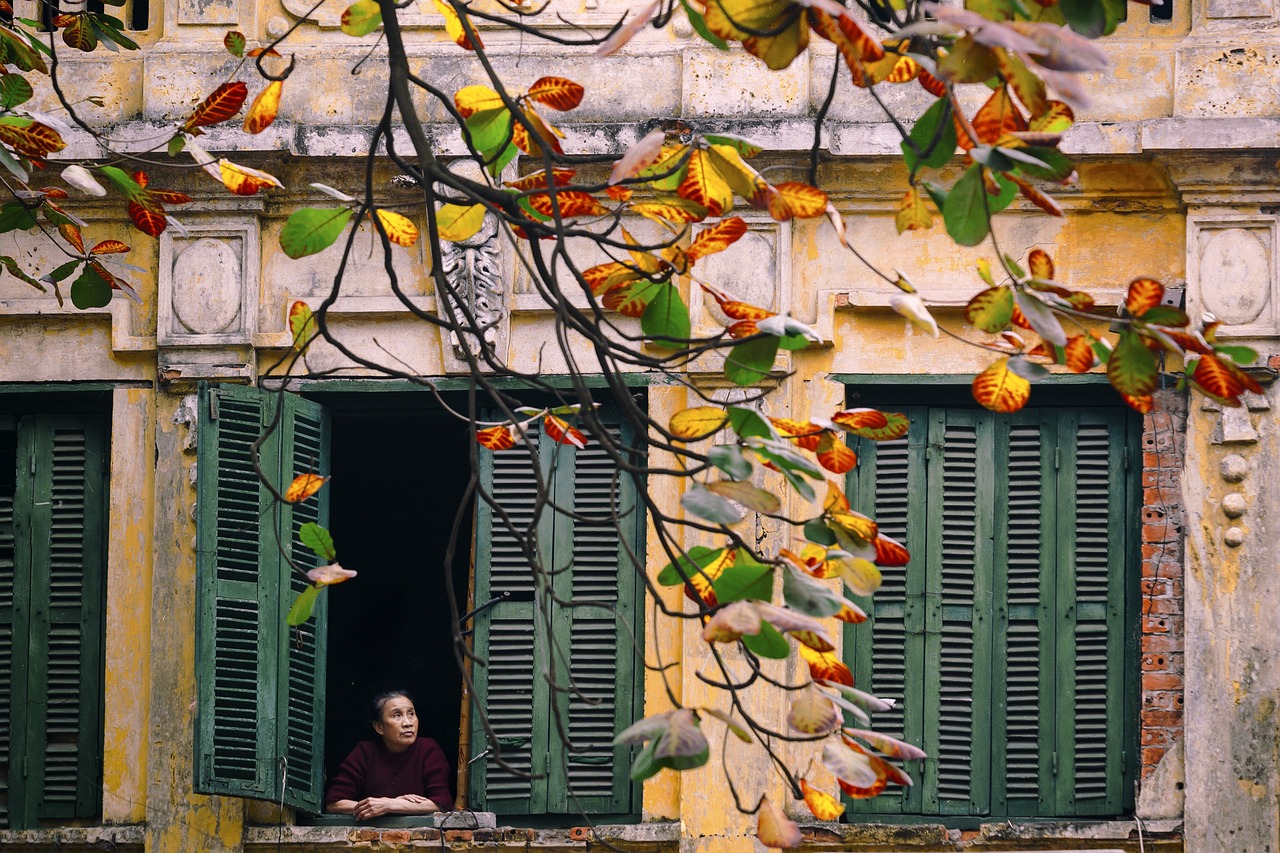
Hanoi winter is not tropical-winter. From December through February the mornings arrive genuinely chilly — some nights in the coldest stretch dip below 10 °C — and locals wrapped in scarves will tell you, with complete sincerity, that Hanoi cold feels colder than the thermometer says. The payoff is dry, crisp air, a moody grey-gold light that photographers love, and streets you can walk for hours without overheating. Pack layers you can shed by ten in the morning, and know that the Hoan Kiem Lake tai chi clubs still gather from about 5:30–6:00 whatever the temperature.
This is egg-coffee weather, by design. The drink was invented in 1946 by Nguyen Van Giang, a Metropole bartender whisking egg yolk with condensed milk and robusta because fresh milk was scarce, and his family still serves it at Cafe Giang on Nguyen Huu Huan street for about 35,000–40,000 VND a cup. A hot cup in a warm café with grey skies outside is the definitive Hanoi winter afternoon — our لقهوة البيض has the full story and the best cafés.
From February into March the city often meets mua nồm, a stretch of humid, damp drizzle when moisture hangs in the air, floors turn slick and laundry dries slowly. It is not dramatic rain — more a grey, damp haze that can last days — and it passes. Quick-dry fabrics and a light shell make it a non-issue; museums, temples, long lunches and another egg coffee make it a pleasure.
Tet, the Lunar New Year, falls in late January or February — the exact dates shift every year, so check the calendar for your travel year. The city dresses up beautifully and travel peaks hard; our advice on booking around it is in the prices section below.

🌧️ Summer (May–September)
From May the summer engine starts: hot and humid, with peak days pushing 30–38 °C and the year’s heaviest rain falling between July and September. The saving grace of Hanoi’s summer rain is its shape — it tends to arrive as a dramatic afternoon downpour rather than an all-day soak: thunder, a proper dump of water, then clearing skies. Locals plan around it the way coastal towns plan around tides, and after a week in the city you will too.
The rhythm works. Streets wake early: markets trade in the cool of the morning, and the lakeside paths fill from around 5:30 to 6:00. Do the same — see the outdoors before 9:00, then follow the local lead and go indoors from roughly 13:00 to 15:00: museums, temples, a long lunch, our spa, a slow coffee. When the air eases toward evening the city visibly relaxes, and nights out run late — that is when our things-to-do guide earns its keep, splitting the city neatly into morning lists and after-dark ones. Our getting-around guide covers the days when a Grab beats walking through a downpour.

Summer suits travellers who do not mind heat and want the city at its greenest and least crowded; it is also when rates are friendliest. If heat drains you, choose the shoulder months instead. But if you can adopt the local rhythm — early starts, a shaded midday, late evenings — summer Hanoi is rewarding and never boring.
🍂 Autumn (September–November)
Ask a Hanoi local for the best season and you will get one word: autumn. September starts hot and showery — it is the hinge of the year, improving week by week — and by October the city settles into its most comfortable stretch: mild, drier, with a golden quality to the light that photographers plan whole trips around. November keeps the gift and adds the first cool nights of winter. In this air, the morning loop around Hoan Kiem Lake — tai chi clubs, coffee stalls, the lake doing its slow morning warm-up — is a pleasure rather than a feat.
Autumn is also when the city eats and celebrates best. Seasonal specialties return to menus across the Old Quarter, and the Mid-Autumn lantern festival typically lights up September or early October with lanterns strung across the lanes. Much of the food calendar turns over with the season, which is one more reason our street food guide is worth reading with your dates in hand.
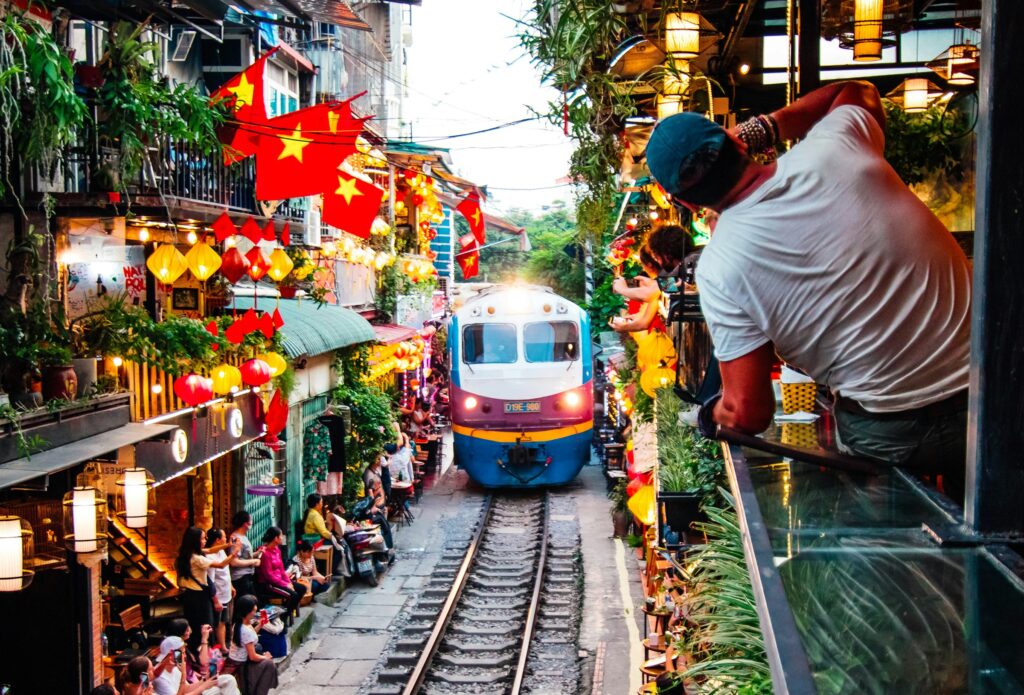
The honest cost of the best weather is company: October and November draw the biggest crowds, and hotel rooms and day tours fill faster than at any other time of year. If Train Street is on your list, our لشارع القطار covers the café-only rules and the daily schedule — the cafés run all year, whatever the season.
🌸 Spring (March–April)
Spring runs March into April: warm days returning, the tail of the mua nồm drizzle clearing as the weeks pass, and the city turning green ahead of summer. April is the gentler of the two — by then the damp stretch has usually given way and the serious heat has not yet arrived, which is exactly why early April shares the sweet spot with autumn. Light jackets come off by mid-morning; plans made for outdoors rarely get rained off.
One catch worth planning for: Tet falls in late January or February, with exact dates changing every year, so check the lunar calendar for your travel year. If your dates align with the run-up to Tet you will meet the city’s festive build-up — decorations going up, markets filling, the atmosphere families travel across the country for. If they fall just after, expect a calmer city shaking itself back to life. Either way, spring evenings suit the walking street and the night market beautifully; our night market and nightlife guide covers the Friday-to-Sunday route.
And if this guide is part of trip you are currently building, our complete guide to Rey Hotel Hanoi covers the rooms, the dining and the neighbourhood we would walk you through first — or simply write to us through our site and we will help you shape the dates.
🧳 What to Pack, Season by Season
Packing for Hanoi is really packing for two cities a few months apart. The quick version by season:
🧥 For winter (December–February)
Layers are the whole game: t-shirts for midday, a warm sweater and a proper jacket for mornings and nights, something for the below-10 °C evenings, and comfortable closed shoes. Scarves are easy to buy here at fair prices if you under-pack — our guests’ souvenir photos often feature them.
☂️ For summer (May–September)
Breathable clothes, a compact umbrella or light rain shell, quick-dry shoes, a hat, sunscreen and a refillable water bottle. Accept in advance that you will be caught in one downpour, plan the 13:00–15:00 indoor break accordingly, and the weather becomes part of the story rather than the villain of it.
🌸 For the sweet spots (October–November and March–April)
Light layers for warm days plus one warmer layer for evenings, and comfortable walking shoes above all. Bring modest clothing too — shoulders and knees covered — for the temples and for the Ho Chi Minh Mausoleum, which enforces its dress code strictly. A light rain shell earns its place in both months.
👟 Any time of year
Broken-in walking shoes are the single most important item in the suitcase — the Old Quarter is explored on foot, one lane at a time. Add a day bag that closes properly, a portable charger for map-heavy days, and leave real space for what you will buy: everything from silk to egg-coffee mugs is available here.
💰 Prices and Crowds by Season
The weather writes the price calendar. The October–November and March–April sweet spots are high season: rooms fill faster, the most popular room categories go first, and day-trip buses run full, so booking ahead in those windows is genuinely worth it. The hot, showery summer months and the damp late-winter drizzle are the quiet stretch — availability is easy and rates often soften, which is why we tell flexible travellers to consider May or late August with their eyes open.
Then there is Tet. Because the Lunar New Year falls in late January or February — dates change every year, so check yours — the entire country travels at once: trains, flights and buses sell out days in advance, family-run restaurants close for a few days, and the city is both at its most beautiful and at its most logistically demanding. If Tet is on your itinerary, book accommodation and transport as early as you possibly can.
⚠️ Tet warning from our desk: in the week around Tet, do not leave transport to the last minute. Book trains, buses and rooms early, keep some cash aside, and check which of your must-eat places close for the holiday. The upside — lanterns, decorations and a city dressed for its biggest celebration — is worth every bit of the planning.

Much of Hanoi ignores the calendar anyway. The Weekend Night Market runs Friday to Sunday year-round; egg coffee tastes the same in February as in October; and day trips such as the Perfume Pagoda and Ninh Binh run in every season — our Hanoi tours guide compares the main options. For flights, visas and the airport transfer itself, start with our how to get to Hanoi guide.
💡 نصيحة محلية: borrow our staff’s daily rhythm in any season — outdoors early (Hoan Kiem Lake is loveliest before 8:00), indoors from 13:00 to 15:00 in the hot months, and back out after about 17:00 when the city relaxes. Plan each day around that shape and Hanoi feels easy rather than exhausting, whatever the forecast says.
❓ Frequently Asked Questions
ما هو أفضل شهر لزيارة هانوي؟
أكتوبر ونوفمبر هما الإجابة الكلاسيكية — أجواء معتدلة وجافة وذهبية — ويأتي مارس وأبريل في المرتبة الثانية بفارق ضئيل قبل أن تشتد حرارة الصيف. تجمع كلتا الفترتين بين أكثر أجواء التنزه راحةً والمدينة في أبهى صورها، وهو بالضبط ما يجعل غرف الفنادق والجولات النهارية تُحجز بوتيرة أسرع في تلك الأشهر.
ما هو موا نوم؟
موا نوم هو الطقس الرطب والدامس الذي يستقر فوق هانوي حوالي شهري فبراير ومارس، حين تترك الرطوبة في الهواء الأرضيات زلقة والغسيل بطيئاً في الجفاف. وهو أقرب إلى الرذاذ الرمادي منه إلى المطر الغزير، ويزول في غضون أسابيع. الملابس سريعة الجفاف وسترة مطر خفيفة تحوّلانه إلى تفصيل بسيط في الرحلة بدلاً من أن يكون مشكلة.
متى يكون عيد تيت، وهل يؤثر على السفر؟
عيد تيت، رأس السنة القمرية، يحل في أواخر يناير أو فبراير، والتواريخ الدقيقة تتغير كل عام، لذا تحقق من التقويم القمري لتواريخ سفرك. الأجواء رائعة لكنه أسبوع مرهق من حيث الترتيبات اللوجستية: تنفد تذاكر النقل وتغلق العديد من الأعمال العائلية أبوابها لبضعة أيام. احجز الإقامة ووسائل النقل في أقرب وقت ممكن.
هل هانوي حارة جدًا في الصيف؟
تصل درجات الحرارة في أيام الصيف بانتظام إلى 30–38 °م مع رطوبة مماثلة، وتشهد الفترة من يوليو إلى سبتمبر أغزر أمطار العام. وتُعدّ جولات السياحة في منتصف النهار في ظل هذه الأجواء مرهقة فعلاً. فالأجدى اتباع الإيقاع المحلي بدلاً من ذلك — الأنشطة الخارجية في الصباح الباكر، واستراحة داخلية من نحو الساعة 13:00 حتى 15:00، والعودة إلى الشارع في المساء — وبذلك يصبح الصيف سهل التعامل معه إلى حد كبير.
متى تكون أسعار الفنادق في هانوي في أدنى مستوياتها؟
tenden إلى أن تكون الأسعار في أودّ حالاتها خلال الفترات الأشد حرارة ورطوبة — أشهر الرياح الموسمية الصيفية والرذاذ الرطب في أواخر الشتاء — حين ينخفض الطلب. وتُعدّ فترتا أكتوبر–نوفمبر ومارس–أبريل الأكثر رواجاً والأسرع امتلاءً. وأياً كان موعد سفرك، تحقّق من الأسعار الحالية مباشرةً مع الفندق للحصول على الرقم الدقيق والمحدّث.

 English
 Korean
 Chinese (China)
 Japanese
 Vietnamese
 French
 German
 Spanish
 Italian
 Russian
 Chinese (Taiwan)
 Chinese (Hong Kong)
 Thai
 Arabic