
✍️ ハノー・レイ・ホテル・チームによる — ハノイ、ホアンキエム区、リーナムデー通り14番、レイホテルハノイのローカルガイド · 🗓️ 最終更新:2026年11月 · ⏱️ 約12分で読めます
“「ハノイを訪れるのに最適な時期はいつですか?」は、チェックイン時にゲストから最もよく聞かれる質問です — 通常、私たちが地図をお渡ししながら聞かれます。フロントデスクからの短い答えは レイ ホテル ハノイ: 10月と11月が第一候補、3月と4月が非常に僅差で続きます。この2つの時期は、この街が年間を通じて実現できる最も穏やかな気温と、最も乾燥した晴朗な天気が揃う窓であり、私たち自身のチームが初訪問に選ぶ月でもあります。
長い答えはこのガイドの残りです。なぜならハノイの季節は微妙なものではありません。4つのまったく異なる顔を持っています:冷涼で乾燥した冬、ムア・ノムと呼ばれる湿った humid な霧雨、暑く雷鳴が轟くモンスーン夏、そして地元の人が秘密のように守る2つの黄金の中間期です。私たちは気象学者ではなくホテルチームです — 以下はあらゆる季節にゲストをお迎えしてきた長年のフロントデスクの知恵であり、2026年後半時点の都市平均値と照合したものです。
詳細の前の1つのルール:ハノイは時折、自らのルールを破ります。乾燥した10月がにわか雨の週で驚かせることがあります。1月の寒波がここ数年で最も厳しいものになることがあります。以下はすべて各月の典型的な形として扱い、実際の日程のライブ予報を確認してから荷造りしてください — そしてセカンドオピニオンが必要ならデスクでお尋ねください。
🌦️ ハノイの四季一目瞭然
年間を通した全体像はこちらです。街の大きなリズムはシンプルです:11月から4月にかけて冷涼で乾燥、5月から9月以降にかけて高温多湿で激しいにわか雨、最も激しい雨は7月から9月 — そして2つの快適な時期がその分割の両端に位置します。数値は典型的なパターンと平均であり、特定の日の保証ではありません。
| 月 | 典型的な気温 | 降水量 | 私たちの評価 |
|---|---|---|---|
| 1月 | 最も寒い時期;夜は10°Cを下回ることも | ほぼ乾燥 | 澄んで静かな街路 — 重ね着を |
| 2月 | 寒い朝、穏やかな午後;湿った霧雨が始まることも | 軽い霧雨(ムア・ノム) | テトは1月下旬か2月 — 日程を確認 |
| 3月 | 涼しいから温暖;ムア・ノムの湿った週が一般的 | 頻繁な霧雨 | レインシェルと速乾性の装備があれば良い |
| 4月 | 夏が近づくにつれ温暖から暑さへ | 月初は乾燥、月末にはにわか雨 | ベストシーズン — 特に4月上旬 |
| 5月 | 夏の到来;暑い日は30〜38°Cに迫る | 最初の本格的なにわか雨 | 早朝、日陰の午後 |
| 6月 | 高温多湿 | 定期的な午後のにわか雨 | 博物館とカフェの午後 |
| 7月 | 高温多湿、ピーク時は30〜38°C | 年間で最も激しい雨の一つ | 13:00〜15:00は屋内休憩を計画 |
| 8月 | 高温多湿 | 年間で最も激しい雨の一つ | 柔軟な計画、速乾性の服 |
| 9月 | 月初は暑いが、月末には明らかに和らぐ | 雨が徐々に弱まる | 秋への転換点 — 週ごとに改善 |
| 10月 | 穏やかで晴朗 — 年間で最も快適な時期 | 軽い雨、次第に減少 | 黄金の窓 |
| November | Cool and dry; winter averages 17–22 °C | Very little | The golden window, part two |
| December | Cool days, chilly mornings | ほぼ乾燥 | Moody photos and egg-coffee weather |
Those are city-wide typicals of the kind we quote when a guest asks at the desk, not a forecast. For your specific week a live forecast beats any calendar, and our team is happy to sanity-check your itinerary when you arrive — it is one of our favourite conversations.
🥶 Winter and “Mua Nồm” (December–February)
Hanoi winter is not tropical-winter. From December through February the mornings arrive genuinely chilly — some nights in the coldest stretch dip below 10 °C — and locals wrapped in scarves will tell you, with complete sincerity, that Hanoi cold feels colder than the thermometer says. The payoff is dry, crisp air, a moody grey-gold light that photographers love, and streets you can walk for hours without overheating. Pack layers you can shed by ten in the morning, and know that the Hoan Kiem Lake tai chi clubs still gather from about 5:30–6:00 whatever the temperature.
This is egg-coffee weather, by design. The drink was invented in 1946 by Nguyen Van Giang, a Metropole bartender whisking egg yolk with condensed milk and robusta because fresh milk was scarce, and his family still serves it at Cafe Giang on Nguyen Huu Huan street for about 35,000–40,000 VND a cup. A hot cup in a warm café with grey skies outside is the definitive Hanoi winter afternoon — our エッグコーヒーガイド has the full story and the best cafés.
From February into March the city often meets mua nồm, a stretch of humid, damp drizzle when moisture hangs in the air, floors turn slick and laundry dries slowly. It is not dramatic rain — more a grey, damp haze that can last days — and it passes. Quick-dry fabrics and a light shell make it a non-issue; museums, temples, long lunches and another egg coffee make it a pleasure.
Tet, the Lunar New Year, falls in late January or February — the exact dates shift every year, so check the calendar for your travel year. The city dresses up beautifully and travel peaks hard; our advice on booking around it is in the prices section below.

🌧️ Summer (May–September)
From May the summer engine starts: hot and humid, with peak days pushing 30–38 °C and the year’s heaviest rain falling between July and September. The saving grace of Hanoi’s summer rain is its shape — it tends to arrive as a dramatic afternoon downpour rather than an all-day soak: thunder, a proper dump of water, then clearing skies. Locals plan around it the way coastal towns plan around tides, and after a week in the city you will too.
The rhythm works. Streets wake early: markets trade in the cool of the morning, and the lakeside paths fill from around 5:30 to 6:00. Do the same — see the outdoors before 9:00, then follow the local lead and go indoors from roughly 13:00 to 15:00: museums, temples, a long lunch, our spa, a slow coffee. When the air eases toward evening the city visibly relaxes, and nights out run late — that is when our things-to-do guide earns its keep, splitting the city neatly into morning lists and after-dark ones. Our getting-around guide covers the days when a Grab beats walking through a downpour.

Summer suits travellers who do not mind heat and want the city at its greenest and least crowded; it is also when rates are friendliest. If heat drains you, choose the shoulder months instead. But if you can adopt the local rhythm — early starts, a shaded midday, late evenings — summer Hanoi is rewarding and never boring.
🍂 Autumn (September–November)
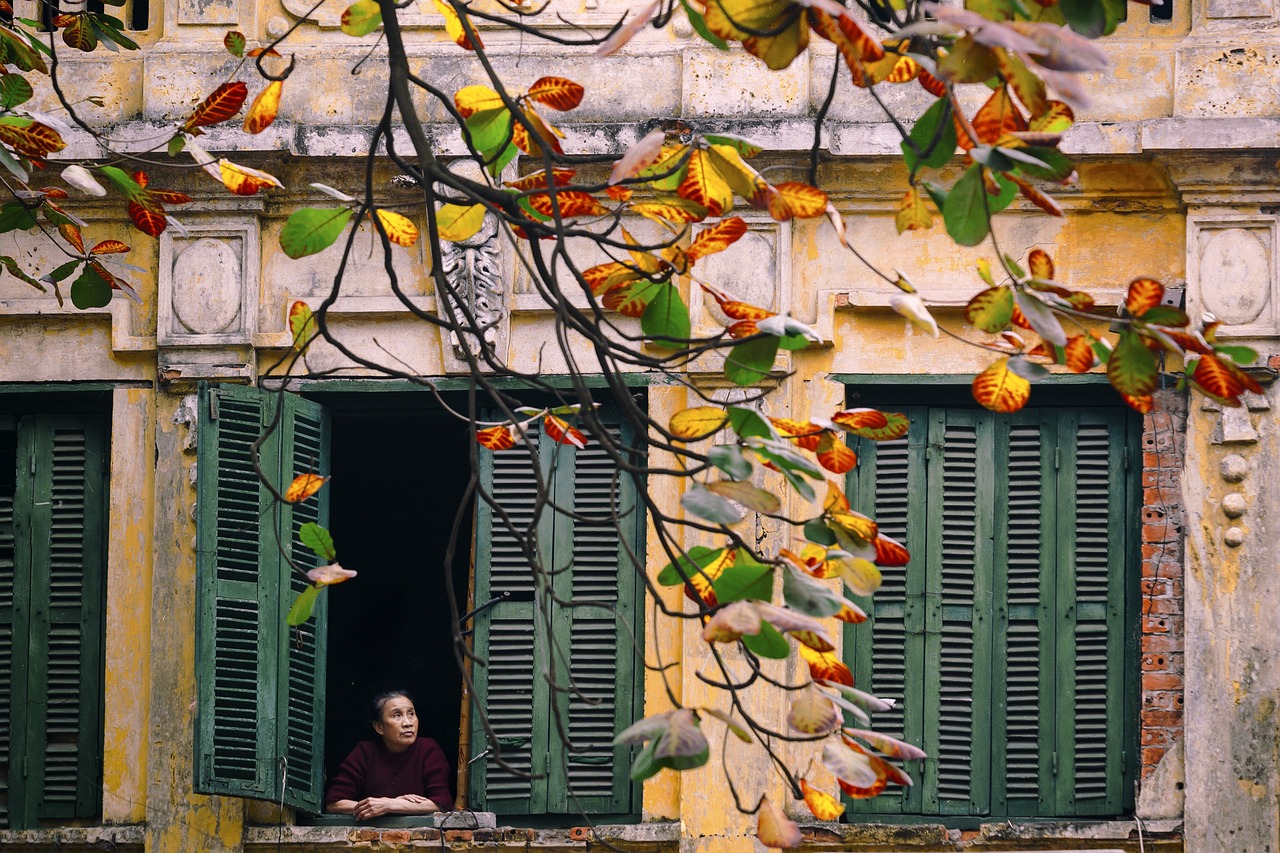
Ask a Hanoi local for the best season and you will get one word: autumn. September starts hot and showery — it is the hinge of the year, improving week by week — and by October the city settles into its most comfortable stretch: mild, drier, with a golden quality to the light that photographers plan whole trips around. November keeps the gift and adds the first cool nights of winter. In this air, the morning loop around Hoan Kiem Lake — tai chi clubs, coffee stalls, the lake doing its slow morning warm-up — is a pleasure rather than a feat.
Autumn is also when the city eats and celebrates best. Seasonal specialties return to menus across the Old Quarter, and the Mid-Autumn lantern festival typically lights up September or early October with lanterns strung across the lanes. Much of the food calendar turns over with the season, which is one more reason our street food guide is worth reading with your dates in hand.
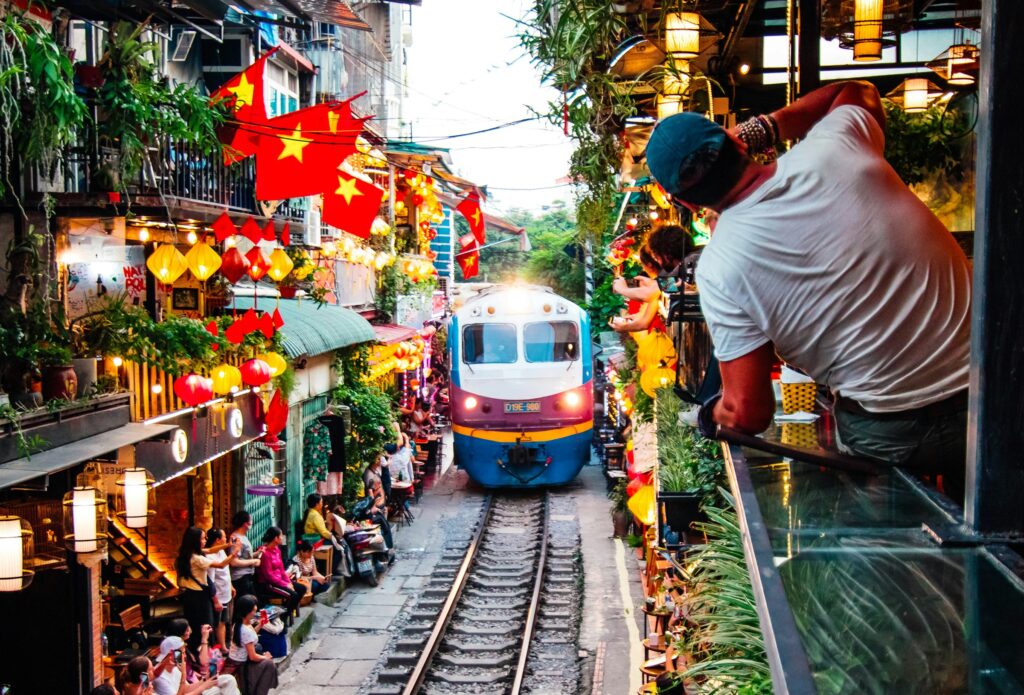
The honest cost of the best weather is company: October and November draw the biggest crowds, and hotel rooms and day tours fill faster than at any other time of year. If Train Street is on your list, our トレインストリートガイド covers the café-only rules and the daily schedule — the cafés run all year, whatever the season.
🌸 Spring (March–April)
Spring runs March into April: warm days returning, the tail of the mua nồm drizzle clearing as the weeks pass, and the city turning green ahead of summer. April is the gentler of the two — by then the damp stretch has usually given way and the serious heat has not yet arrived, which is exactly why early April shares the sweet spot with autumn. Light jackets come off by mid-morning; plans made for outdoors rarely get rained off.
One catch worth planning for: Tet falls in late January or February, with exact dates changing every year, so check the lunar calendar for your travel year. If your dates align with the run-up to Tet you will meet the city’s festive build-up — decorations going up, markets filling, the atmosphere families travel across the country for. If they fall just after, expect a calmer city shaking itself back to life. Either way, spring evenings suit the walking street and the night market beautifully; our night market and nightlife guide covers the Friday-to-Sunday route.
And if this guide is part of trip you are currently building, our complete guide to Rey Hotel Hanoi covers the rooms, the dining and the neighbourhood we would walk you through first — or simply write to us through our site and we will help you shape the dates.
🧳 What to Pack, Season by Season
Packing for Hanoi is really packing for two cities a few months apart. The quick version by season:
🧥 For winter (December–February)
Layers are the whole game: t-shirts for midday, a warm sweater and a proper jacket for mornings and nights, something for the below-10 °C evenings, and comfortable closed shoes. Scarves are easy to buy here at fair prices if you under-pack — our guests’ souvenir photos often feature them.
☂️ For summer (May–September)
Breathable clothes, a compact umbrella or light rain shell, quick-dry shoes, a hat, sunscreen and a refillable water bottle. Accept in advance that you will be caught in one downpour, plan the 13:00–15:00 indoor break accordingly, and the weather becomes part of the story rather than the villain of it.
🌸 For the sweet spots (October–November and March–April)
Light layers for warm days plus one warmer layer for evenings, and comfortable walking shoes above all. Bring modest clothing too — shoulders and knees covered — for the temples and for the Ho Chi Minh Mausoleum, which enforces its dress code strictly. A light rain shell earns its place in both months.
👟 Any time of year
Broken-in walking shoes are the single most important item in the suitcase — the Old Quarter is explored on foot, one lane at a time. Add a day bag that closes properly, a portable charger for map-heavy days, and leave real space for what you will buy: everything from silk to egg-coffee mugs is available here.
💰 Prices and Crowds by Season
The weather writes the price calendar. The October–November and March–April sweet spots are high season: rooms fill faster, the most popular room categories go first, and day-trip buses run full, so booking ahead in those windows is genuinely worth it. The hot, showery summer months and the damp late-winter drizzle are the quiet stretch — availability is easy and rates often soften, which is why we tell flexible travellers to consider May or late August with their eyes open.
Then there is Tet. Because the Lunar New Year falls in late January or February — dates change every year, so check yours — the entire country travels at once: trains, flights and buses sell out days in advance, family-run restaurants close for a few days, and the city is both at its most beautiful and at its most logistically demanding. If Tet is on your itinerary, book accommodation and transport as early as you possibly can.
⚠️ Tet warning from our desk: in the week around Tet, do not leave transport to the last minute. Book trains, buses and rooms early, keep some cash aside, and check which of your must-eat places close for the holiday. The upside — lanterns, decorations and a city dressed for its biggest celebration — is worth every bit of the planning.

Much of Hanoi ignores the calendar anyway. The Weekend Night Market runs Friday to Sunday year-round; egg coffee tastes the same in February as in October; and day trips such as the Perfume Pagoda and Ninh Binh run in every season — our Hanoi tours guide compares the main options. For flights, visas and the airport transfer itself, start with our how to get to Hanoi guide.
💡 地元のヒント: borrow our staff’s daily rhythm in any season — outdoors early (Hoan Kiem Lake is loveliest before 8:00), indoors from 13:00 to 15:00 in the hot months, and back out after about 17:00 when the city relaxes. Plan each day around that shape and Hanoi feels easy rather than exhausting, whatever the forecast says.
❓ Frequently Asked Questions
ハノイを訪れるのに最適な月はいつですか?
10月と11月が定番の答えです — 穏やかで乾燥した黄金の季節 — そして3月と4月が、夏の暑さが本格化する前の次点として続きます。どちらの期間も、最も快適な観光シーズンと街が最も絵になる時期が重なるため、まさにその理由でこれらの月にはホテルの客室や日帰りツアーがより早く埋まります。
mua nồmとは何ですか?
ムアノムとは、2月から3月頃にハノイを覆う湿気の多い天候のことで、空気中の水分により床が滑りやすくなり、洗濯物が乾きにくくなる。劇的な雨というよりも灰色の霧雨のようなもので、数週間で過ぎ去る。速乾性の衣類と軽いレインシェルがあれば、旅行のちょっとしたディテールとなり、問題にはならない。
テトはいつですか、そして旅行に影響しますか?
テト(旧正月)は1月下旬または2月にあり、正確な日付は毎年変わるため、旅行日程については旧暦を確認してください。素晴らしい雰囲気ですが、物流面では厳しい一週間です。交通機関は売り切れ、多くの家族経営の店が数日間閉まります。宿泊と交通機関はできるだけ早く予約してください。
ハノイは夏に暑すぎますか?
夏の日は定期的に30~38°Cに達し、それに見合う湿度となり、7月から9月にかけては年間で最も激しい雨をもたらします。そのような気候での正午の観光は本当に厳しいものです。代わりに地元のリズムに従いましょう — 早朝に屋外で活動し、13:00頃から15:00頃まで屋内で休憩し、夕方には再び街に出る — そうすれば夏は十分に快適に過ごせます。
ハノイのホテル価格が最も安くなるのはいつですか?
料金は最も暑く湿度の高い時期——夏のモンスーン期と晩冬の湿った霧雨の頃——に最も安くなる傾向があり、この時期は需要が落ち込む。10月〜11月と3月〜4月のベストシーズンは最も人気が高く、最も早く埋まる。いつ旅行するにしても、正確で最新の料金をホテルに直接確認することをお勧めする。

 English
 Korean
 Chinese (China)
 Japanese
 Vietnamese
 French
 German
 Spanish
 Italian
 Russian
 Chinese (Taiwan)
 Chinese (Hong Kong)
 Thai
 Arabic