

✍️ بقلم فريق فندق ري هوتيل هانوي — local guides at Rey Hotel Hanoi, 14 Ly Nam De, Hoan Kiem District, Hanoi · 🗓️ Last updated: November 2026 · ⏱️ ~11 min read
Every capital keeps one address where its whole modern story is told in a single morning, and for Hanoi that address is Ba Dinh. West of the Old Quarter, beyond the French-era boulevards, this calm district holds the mausoleum of Ho Chi Minh, the Presidential Palace grounds, the lotus-shaped One Pillar Pagoda and, directly behind them, the UNESCO-listed Imperial Citadel of Thang Long — a compact quarter of monuments where Vietnam’s past century is written in stone, gardens and quiet ceremony. From Rey Hotel it is a short ride north-west; from anywhere in the city, it is in our honest opinion the most important morning you can spend in Hanoi.
We keep this guide factual and unhurried, the way the place itself feels: exact hours and closures, the dress code that genuinely matters to local visitors, a walk-through of the full complex, and the morning schedule our front desk hands to guests. All rules and prices below were checked as of late 2026.
🕊️ Who Was Ho Chi Minh?
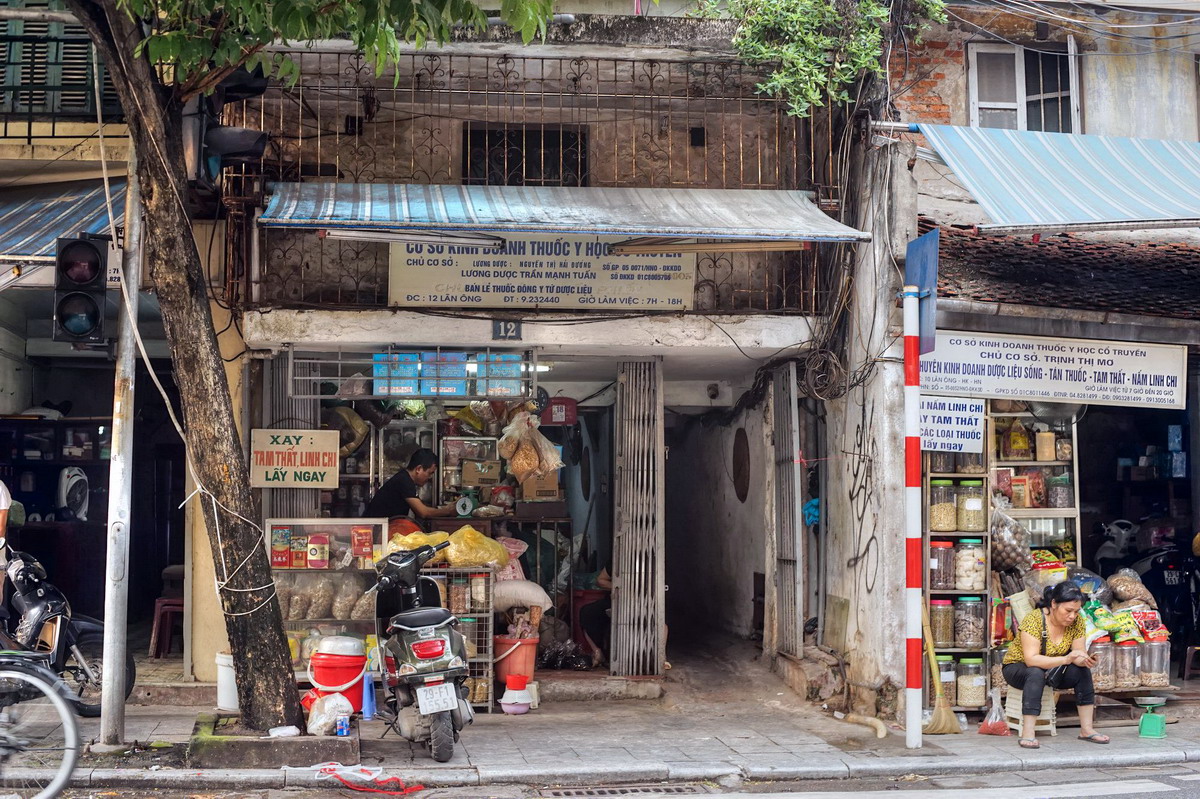
Ho Chi Minh (1890–1969) is the founding figure of modern Vietnam: the independence leader who declared the country’s independence from a podium in Ba Dinh in September 1945, and who served as president of the newly founded state until his death in 1969. He is known affectionately across the country as “Uncle Ho” (Bac Ho), and his portrait hangs in homes, shops and classrooms nationwide. The mausoleum that bears his name is treated by many Vietnamese visitors as a place of genuine pilgrimage, and you will see families in their best clothes queueing beside you. Whatever your politics, understanding that reverence is part of understanding the city — and visiting respectfully is simple once you know the rules below.
🏛️ The Mausoleum: Hours, Tickets & Closures
Start with the essentials: entry is free, and visiting is mornings only. From April 1 to October 31 the mausoleum opens 7:30–10:30; from November 1 to March 31, 7:30–11:00. It is closed every Monday and Friday, without exception. Once a year it also closes for scheduled maintenance, typically from around September 4 to November 2 — in 2026 it reopens on November 3 — so if your trip falls inside that window, plan the museums and citadel instead and save the mausoleum for a future visit.
Two practical notes from our team. First, the queue is cut off sharply at closing time, and on busy mornings the line can stretch well across the square — arriving by 8:00 puts you comfortably inside the session. Second, expect the visit itself to be brisk: visitors file past the glass sarcophagus in silence, marshalled by uniformed honour guards, and the walk-through lasts only a few minutes. It is short, solemn and strangely moving; nobody on our team has ever called it a tourist trap.
When to come? The complex is open year-round, but Hanoi’s weather shapes the experience: October–November and March–April bring the coolest, driest mornings, while the summer months call for the earliest possible start. Our best time to visit Hanoi guide maps every month in detail.
Ba Dinh Square itself deserves a moment, too. This is the ground where Ho Chi Minh read the declaration of independence in September 1945, and today a vast, sun-bleached plaza opens in front of the mausoleum with the national flag flying over that exact spot. Locals exercise along its edges at dawn, couples pose for wedding photos in the late light, and the openness of the place could not contrast more sharply with the tight Old Quarter lanes you leave behind. Give the square two quiet minutes before you join the queue — it frames everything that follows.
👔 Dress Code & Etiquette
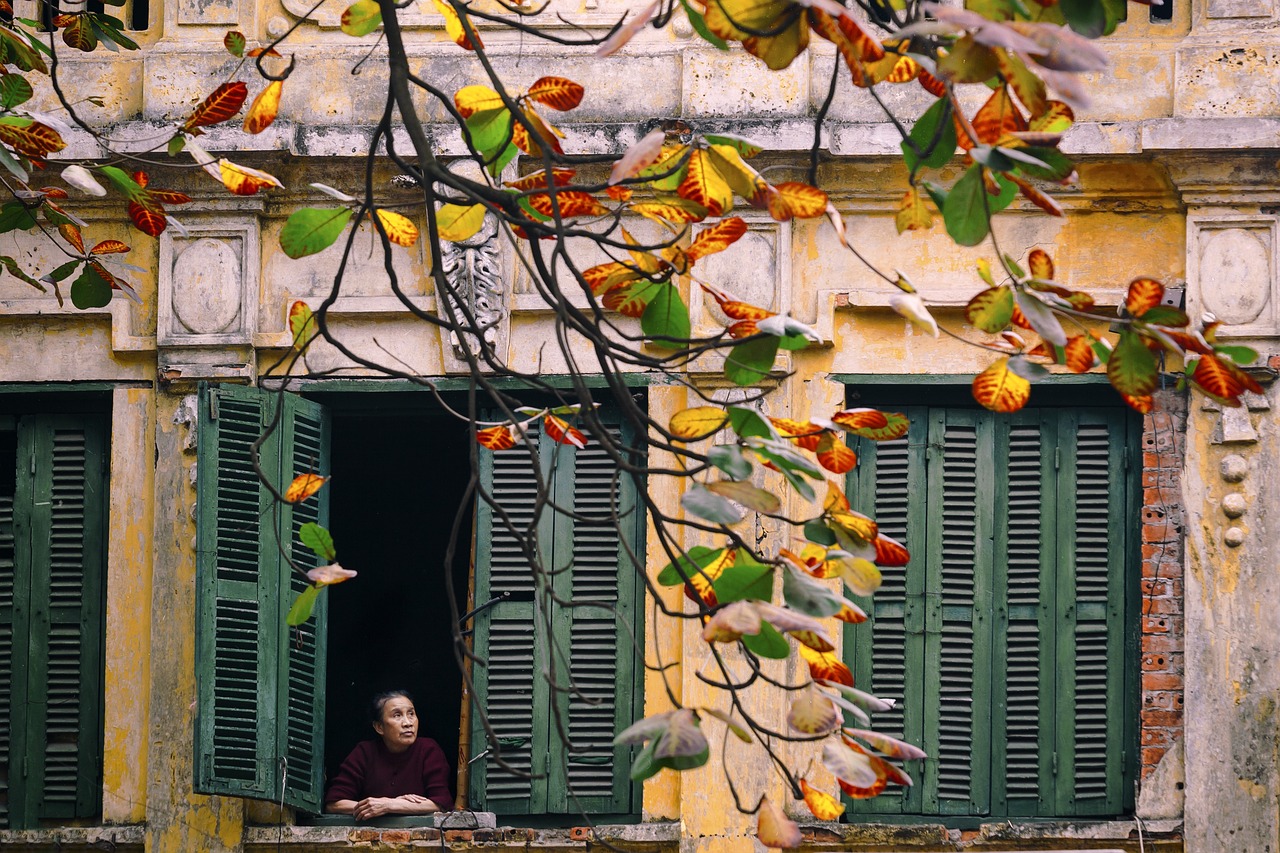
The mausoleum is a working memorial, and the etiquette is taken seriously by the staff and by the Vietnamese families who queue beside you. Shoulders and knees must be covered — light trousers or a long skirt are the smartest choice in summer — and hats and sunglasses come off before you step inside. Keep your hands out of your pockets, stay silent, and keep phones away: no photos are allowed inside. Large bags and cameras cannot enter the building; leave them at the bag desk by the museum or palace grounds before you join the queue. None of this is complicated, and frankly the discipline is part of the experience — you are walking quietly through a room where a nation keeps its memories.
⚠️ Please note: the dress code and behaviour rules are enforced at the entrance — guests with uncovered shoulders or knees, hats, sunglasses or large bags can be turned away, and photography inside the mausoleum is strictly prohibited. Save your photos for the square outside, where the guard ceremony and the building’s columned silhouette are equally worth capturing.
🗺️ The Full Ba Dinh Complex
The mausoleum is the headline, but the complex around it fills a whole morning beautifully. Here is the walk-through our team gives at the desk.
1. 🪖 The changing of the guard
If your timing is lucky, you will catch the ceremonial changing of the guard in front of the mausoleum — white-uniformed soldiers marching in perfect step as the square fills with early visitors. The ceremony takes place while the mausoleum is open, and watching it from the edges of the square is one of Hanoi’s most quietly impressive sights. Stand back, keep your voice low, and let the moment do its work.
2. 🏛️ The Presidential Palace grounds & the Stilt House
The mustard-yellow Presidential Palace, built in the early 1900s for the French Governor-General, is admired from outside its gates; visitors walk the shaded footpaths of the grounds that loop past its facade. The humble highlight is Ho Chi Minh’s Stilt House, the simple wooden residence on stilts at the edge of a mango garden where he chose to live and work through his later years, surrounded by fish ponds and fruit trees. The contrast between the grand palace and the modest stilt house tells a story more clearly than any plaque could.
3. 🪷 The One Pillar Pagoda
A short walk away rises Hanoi’s most elegant silhouette: the One Pillar Pagoda, a small wooden temple balanced on a single stone column above a lotus pond. It was first built in 1049 by Emperor Ly Thai To, who — the legend goes — dreamed of a bodhisattva handing him a baby on a lotus flower, and raised the pagoda in gratitude when an heir arrived. Entrance is free. Though the structure has been rebuilt over the centuries, its lotus shape remains one of Vietnam’s most treasured symbols, and it deserves ten unhurried minutes.
4. 🖼️ The Ho Chi Minh Museum
Behind the mausoleum, the Ho Chi Minh Museum walks you through the man’s life and the country’s path to independence in a striking modern building — part history lesson, part art installation, with bold colours and symbolic rooms that surprise visitors expecting a conventional museum. It charges a small fee at the door, most key exhibits carry English text, and it deserves an hour if you enjoy museums. If you would rather see the city with a storyteller of your own, our guide to Hanoi’s tours covers the guided options across the capital.
🏯 Add the Imperial Citadel of Thang Long
Directly behind the mausoleum — a five-minute walk — sits one of Hanoi’s UNESCO World Heritage sites: the Imperial Citadel of Thang Long, where excavations have stacked some eleven centuries of royal foundations in a single dig site you can walk across on glass pathways. The ticket is about 70,000 VND (recently revised, so check on site), and the highlights are easy to love: climb the red-brick Flag Tower for one of the best views over the city, pass through the grand palace gate, and step down into the 20th-century command bunkers, maps still pinned to the walls. Add it to your Ba Dinh morning and you collect a thousand years of history before lunch. It also earns its own place in our 15 best things to do in Hanoi.
🕐 The Perfect Ba Dinh Morning Plan
Here is the schedule we hand across the front desk. It assumes the mausoleum is open (double-check the closures above) and that you like your mornings efficient but not rushed.
07:00 — Breakfast at Finn Lounge. Our all-day dining room on the ground floor starts serving breakfast from 7:00, so eat properly before you go — see the restaurant page for the current spread. The mausoleum queue rewards early arrivals, and an empty stomach makes short queues feel long.
07:30 — Depart the hotel. A car booked at our front desk puts you at Ba Dinh Square in 15–20 minutes in the early traffic; a taxi or ride-hailing car is just as easy and inexpensive. If you are landing at the airport the night before, our airport and transfer guide gets you to this morning smoothly.
08:00 — Join the queue. By now the line is moving steadily. Bags stay at the bag desk, shoulders covered, cameras pocketed for the inside visit. You will usually be through within the hour.
09:00 — Walk the complex. The Presidential Palace facade, the Stilt House gardens and the One Pillar Pagoda flow into each other along shaded paths. Take the loop slowly; this is one of the calmest corners of Hanoi, and the benches are part of the design.

10:30 — Imperial Citadel of Thang Long. Cross behind the museum into the citadel for the Flag Tower, the excavation site and the bunkers. Ninety minutes is comfortable; the shade inside the walls helps on warm days.
12:00 — Coffee or lunch nearby. Head toward the lake districts for lunch — the Truc Bach lakefront is a short ride away and famous for its coffee street — and let the morning settle before the afternoon takes over.
| Complex stop | Entry | الوقت المطلوب |
|---|---|---|
| Ho Chi Minh Mausoleum | Free | 45–60 min including queue |
| Presidential Palace grounds & Stilt House | Small ticket at the gate | 45–60 min |
| One Pillar Pagoda | Free | 15–20 min |
| Ho Chi Minh Museum | Small fee | 60–90 min |
| Imperial Citadel of Thang Long | About 70,000 VND | 60–90 min |
💡 Local tip: go mid-week if you can — the mausoleum closes every Monday and Friday, and weekends draw the biggest local crowds and school groups. If your only free morning lands on a closure day, flip the plan: do the Ho Chi Minh Museum and the citadel first, then return on another morning for the mausoleum itself. The complex stays pleasant to walk even when the mausoleum is shut.
🌊 Near Ba Dinh — West Lake, Truc Bach & the Way Back
Once the monuments are done, let the city breathe. A short ride north brings you to West Lake and Truc Bach — the calmest hour in Hanoi, a wide sheet of water ringed by cafés, small temples and low-rise lanes where locals walk, fish and sip coffee at an unhurried pace. It is the perfect counterweight to a solemn morning: order a coconut coffee lakeside and watch the water do nothing in particular. On the ride back toward the Old Quarter, the Temple of Literature (about 70,000 VND) slots neatly into the early afternoon: Vietnam’s first university, founded in 1070, with five serene courtyards and stone steles honouring centuries of doctoral graduates.
By late afternoon you will be ready to put your feet up — which is precisely what the hotel is for. If you are still deciding where to base your Hanoi days at all, our where to stay in Hanoi guide compares the districts honestly; a base near the Old Quarter keeps Ba Dinh, the lakes and the train street all within easy reach, as our walkable Hanoi guide shows route by route.

And if you still have energy after dark, the city does too: our guide to Hanoi at night picks up exactly where this one ends, from the beer street to the weekend night market.
❓ Frequently Asked Questions
How much does it cost to visit the Ho Chi Minh Mausoleum?
Entry to the mausoleum is completely free. Around the complex, the One Pillar Pagoda is also free, the Ho Chi Minh Museum charges a small fee at the door, and the nearby Imperial Citadel of Thang Long costs about 70,000 VND. Carry small notes for the ticketed stops, since the gates prefer cash.
When is the mausoleum closed?
Every Monday and Friday, all year round. It is also mornings-only: 7:30–10:30 from April 1 to October 31 and 7:30–11:00 from November 1 to March 31. The annual maintenance closure typically runs from around September 4 to November 2 — in 2026 it reopens on November 3 — so check your dates against that window before you build the morning.
What is the dress code and etiquette?
Covered shoulders and knees, no hats or sunglasses inside, hands out of pockets, silence throughout, and no photography inside the building. Large bags must be left at the bag desk before you join the queue. The rules are enforced at the entrance and matter greatly to the Vietnamese visitors around you — following them is simply part of the visit.
How long do you need for the Ba Dinh complex?
Plan a half day. The mausoleum itself takes 45–60 minutes including the queue, the palace grounds, Stilt House and One Pillar Pagoda need about 90 minutes more, and the citadel behind it another 60–90. Starting at 08:00 comfortably wraps the whole complex by noon, leaving the afternoon free for the lakes or the Old Quarter.
Can children attend the mausoleum?
Yes — children are welcome, and Vietnamese families bring kids of all ages. The requirements are the same as for adults: quiet voices, covered shoulders and knees where possible, and no photos inside. Keep the inside visit short and save the Stilt House gardens and the One Pillar Pagoda for afterwards, where little legs can move freely.


 English
 Korean
 Chinese (China)
 Japanese
 Vietnamese
 French
 German
 Spanish
 Italian
 Russian
 Chinese (Taiwan)
 Chinese (Hong Kong)
 Thai
 Arabic